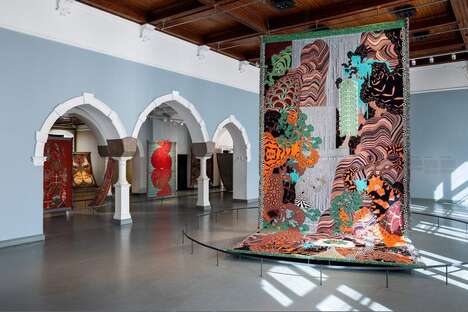
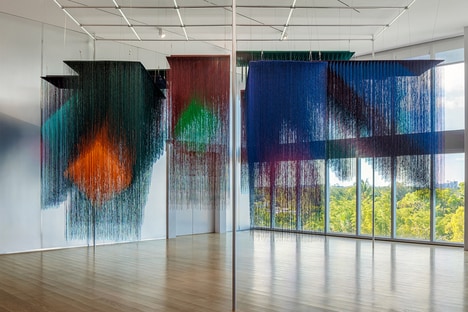
Ai Kijima has created some truly fascinating work that boggles the mind. The best way to describe it is to think of a quilting bee; now multiply their creativity and productivity by one million.
Utilizing found materials (like bed sheets and pillow cases) while harnessing the power of traditional quilting techniques, Ai Kijima takes on a domain tightly held by the Mennonites of the world, and shows them who's who.
Implications - These found material illustrations are colorful, confusing, and creative. They manage to blend conventional quilting techniques with a movement that is very much a product of this generation and century. Ai Kijima's decision to do art in an eco-conscious way is both impressive and timely. It's a deft way to blend the environmental world and art.
What Makes This Trend Stand Out
- Eco-conscious Art
- Ai Kijima's use of found materials to create art presents opportunities for eco-conscious innovation in the art industry.
- Modern Quilting
- Ai Kijima's combination of traditional quilting techniques with modern artistic movement provides opportunities for disruptive innovation in the quilting industry.
- Sustainability in Textiles
- Ai Kijima's use of repurposed materials raises opportunities for sustainability and innovation in the textile industry.
Sectors Adopting This
- Art
- Ai Kijima's use of eco-friendly materials and combination of traditional and modern techniques can inspire disruptive innovation in the art industry.
- Quilting
- Ai Kijima's modern take on traditional quilting techniques presents opportunities for disruptive innovation in the quilt-making industry.
- Textiles
- Ai Kijima's use of repurposed materials in creating quilts highlights an opportunity for disruptive innovation in the sustainable textile industry.