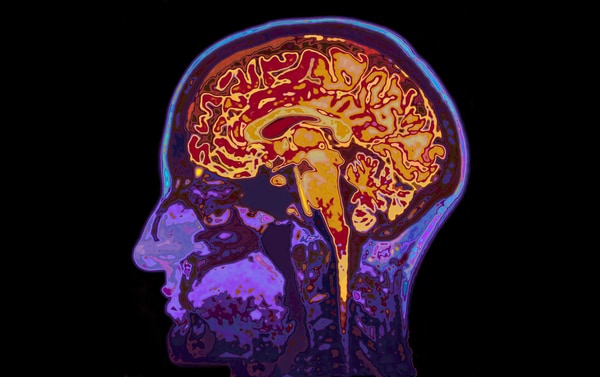
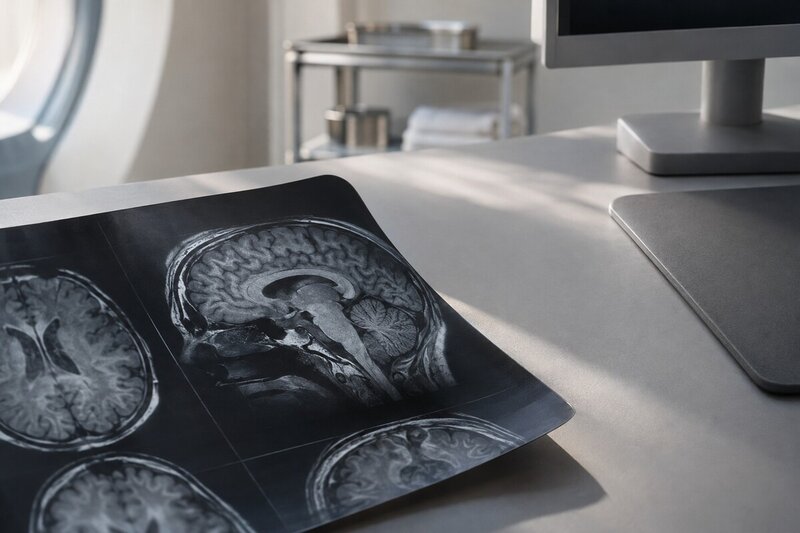
AI brain hemorrhage detection is advancing through CGI AI Head Analysis, a diagnostic support system developed by CGI, Helsinki University Hospital, and Planmeca. The technology examines head CT scans for signs of spontaneous intracranial bleeding, highlighting suspicious areas for physicians to review. Its recent EU Medical Device Regulation Class IIb certification allows broader clinical deployment across European healthcare facilities.
The system identifies suspected acute bleeding within medical images, helping doctors assess potentially life-threatening findings. Designed for integration into hospital imaging workflows, it offers additional diagnostic support in demanding environments such as emergency departments. The certification confirms compliance with European safety, quality, and performance requirements.
For CGI and its partners, regulatory approval creates opportunities to expand hospital adoption of AI-assisted imaging tools. Healthcare providers could benefit from more efficient scan reviews, while the certification supports wider commercial deployment across European medical institutions.
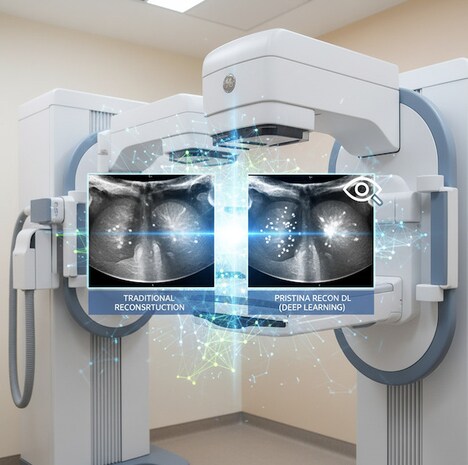
Image Credit: AI-generated
What's Driving This Trend
- Certified Diagnostic AI
- Regulatory clearance for clinical AI systems signals a maturing pathway for hospitals to adopt algorithmic decision support in high-risk diagnostic settings.
- Emergency Imaging Automation
- AI-assisted CT scan review introduces faster prioritization of critical cases, creating room for more responsive emergency department workflows.
- Human-AI Radiology Support
- Collaborative image analysis models are reshaping radiology by pairing physician judgment with machine detection of subtle or time-sensitive abnormalities.
Who This Affects Most
- Medical Imaging
- Advanced scan analysis platforms are expanding the role of imaging infrastructure from passive capture systems into intelligent diagnostic ecosystems.
- Healthcare Technology
- Certified AI tools are strengthening demand for interoperable software that fits securely into existing hospital systems and clinical pathways.
- Emergency Care
- Time-sensitive diagnostic support in acute care environments is creating new value around faster triage, risk detection, and treatment readiness.
Featured Reports

Creatine Is Leaving the Gym. The Beverage Industry Should Pay Attention.

Verified Economy