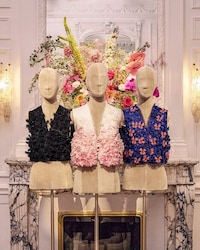
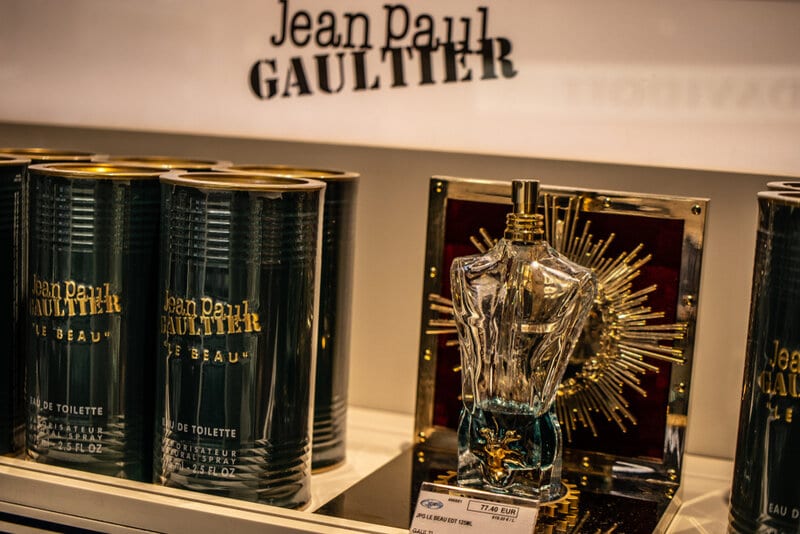
Jean Paul Gaultier introduced 3D-printed elements in its Fall/Winter 2026–2027 Haute Couture collection, created under creative director Duran Lantink and produced with Sculpteo. The runway pieces used additive manufacturing techniques including Multi Jet Fusion and selective laser sintering, with flexible TPU and PA12 forming structural and decorative components.
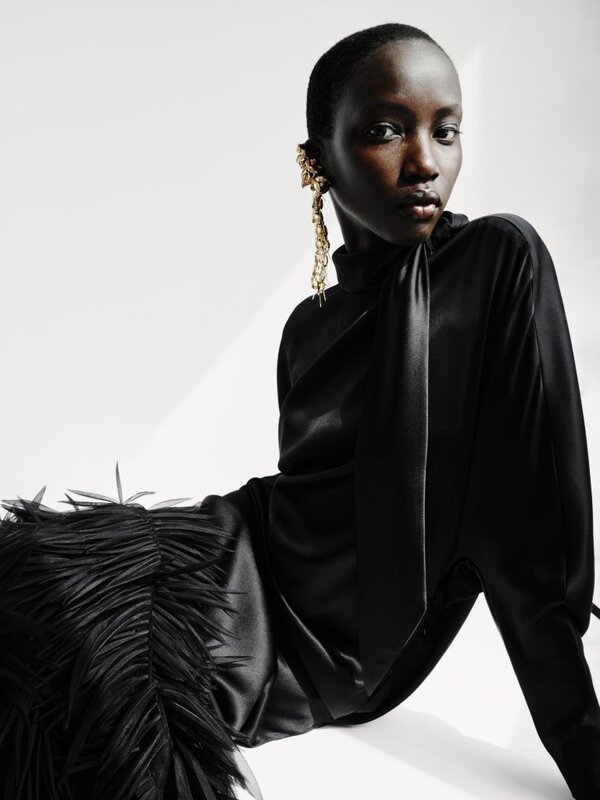
Highlights included a sculpted TPU bustier produced with MJF and another look made from thousands of individually printed PA12 scales assembled into an articulated surface. A separate feathered gown incorporated a hidden flexible 3D-printed structure beneath work by Maison Février, combining industrial fabrication with traditional couture craftsmanship.
For the fashion industry, the collection demonstrates how additive manufacturing can function both as visible design and as hidden structural support. The work shows 3D printing becoming a more versatile production tool within haute couture rather than serving solely as a visual novelty.
Image Credit: Shutterstock/Grzegorz Czapski
Key Themes Behind This Trend
- Additive Couture
- Luxury fashion is absorbing industrial 3D-printing methods into garment construction, creating space for highly customized silhouettes, textures, and structural forms beyond conventional tailoring.
- Hidden Fashion Engineering
- Embedded printed supports are expanding how couture garments achieve volume, movement, and stability while preserving the appearance of traditional hand-finished craftsmanship.
- Articulated Textile Surfaces
- Assemblies made from individually printed components are enabling flexible, scale-like surfaces that blend jewelry, armor, and fabric into new categories of wearable design.
Where This Applies
- Luxury Fashion
- Haute couture houses can differentiate through digitally fabricated garments that merge exclusivity, experimental form, and made-to-measure production.
- Additive Manufacturing
- Advanced printing providers are moving into premium creative markets where material performance, surface quality, and complex assembly become high-value capabilities.
- Textile Design
- Fabric innovation is shifting toward hybrid material systems where flexible polymers, decorative modules, and traditional textiles create new aesthetic and functional possibilities.