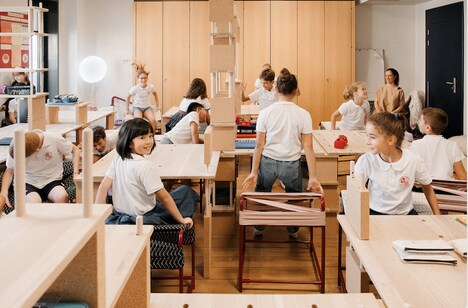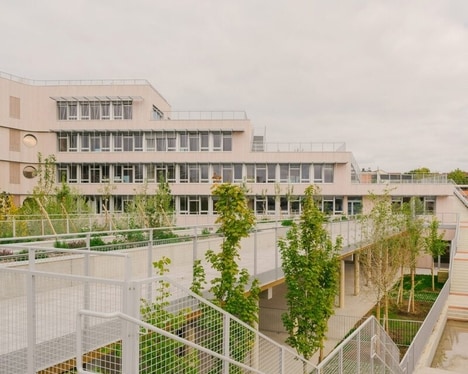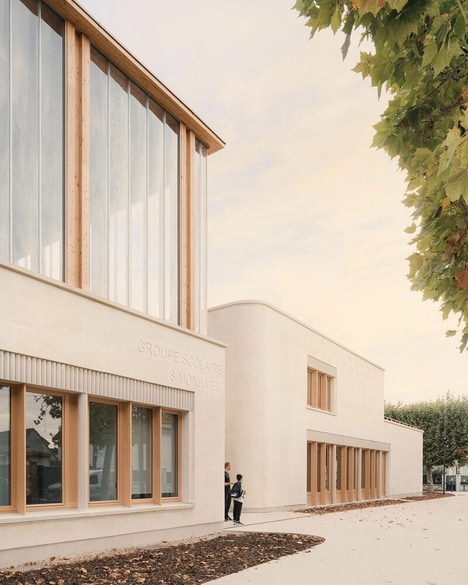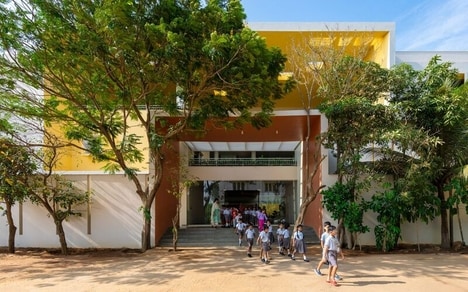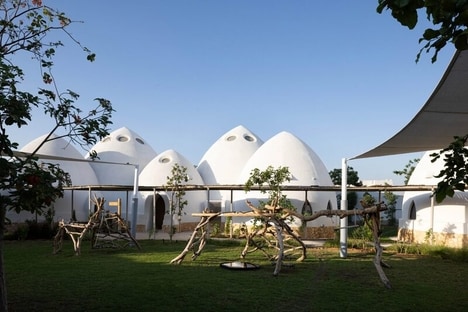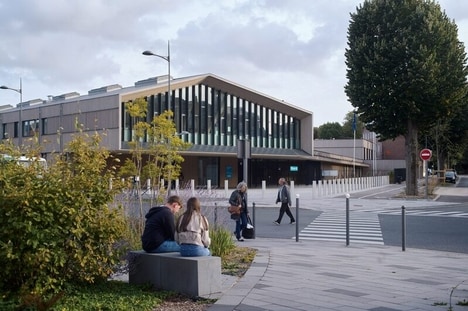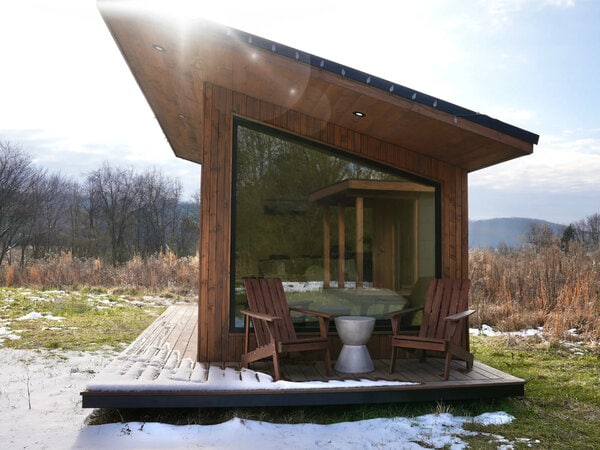
Exploration-centered campuses emphasize how school design can become an active part of the learning experience rather than simply housing classrooms. COEX's Petits-Explorateurs School in Quebec organizes learning around a central atrium, flexible collaborative spaces, outdoor courtyards, and nature-inspired pathways that encourage curiosity, movement, and interaction. The building also incorporates passive architectural strategies, natural lighting, geothermal energy, and biophilic elements to support student wellbeing while reducing environmental impact.
For education providers and architects, this approach demonstrates growing demand for schools that combine sustainability with adaptable, student-centered environments. As governments invest in modern educational infrastructure, learning spaces are becoming a competitive differentiator that can improve engagement, support evolving teaching methods, and create stronger connections between schools, communities, and the natural environment. These design priorities are likely to influence future campus development across both public and private education sectors.
Image Credit: COEX
What's Driving This Trend
- Biophilic Learning Design
- Nature-inspired interiors, courtyards, and pathways present opportunities for learning environments that improve wellbeing while differentiating educational institutions.
- Flexible Education Spaces
- Adaptable classrooms and collaborative zones reflect rising demand for campuses that can support evolving teaching models and student-led exploration.
- Sustainable School Infrastructure
- Passive design, geothermal systems, and natural lighting signal new potential for lower-impact campuses that align education investment with climate goals.
Who This Affects Most
- Education
- Student-centered campus design is reshaping how schools compete on engagement, wellbeing, and modern learning experiences.
- Architecture
- Flexible, biophilic school projects expand the role of architects in creating buildings that function as active educational tools.
- Construction
- Green building methods and adaptable infrastructure create openings for construction firms specializing in sustainable public and private campus development.