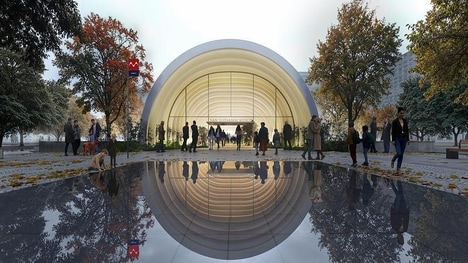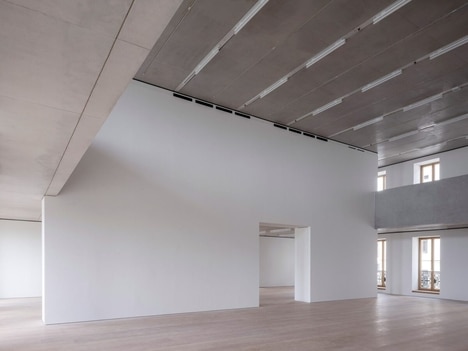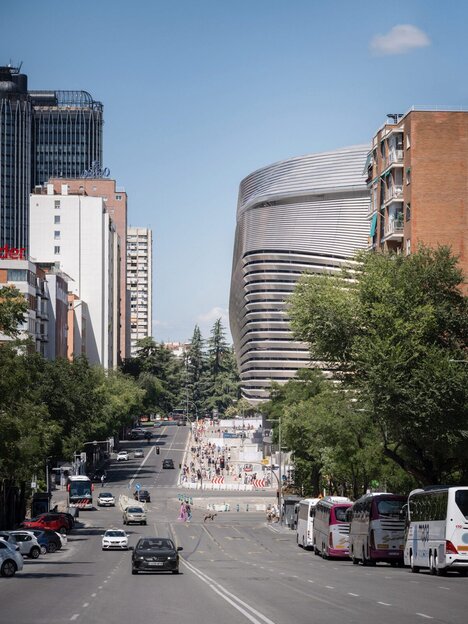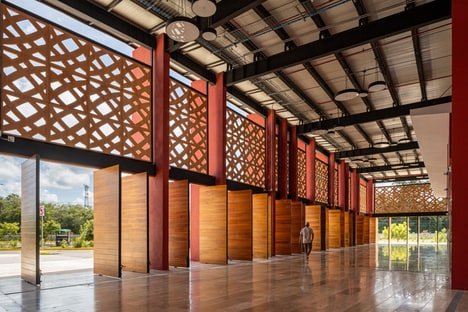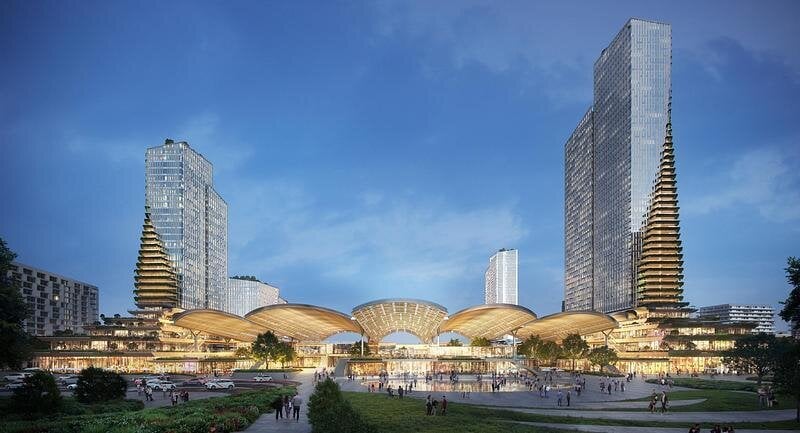
The team comprising engineering firm ESTEYCO, architecture studios UNS, and b720 Fermín Vázquez Arquitectos, working together as UTE Chamartín Ecosistema Abierto, has won the international competition for the comprehensive remodeling of the Madrid-Chamartín Clara Campoamor train station. The proposal is titled 'Ecosistema Abierto' and it aims to transform the facility into an urban and architectural reference point for the Spanish capital.
UTE Chamartín Ecosistema Abierto's design retains and respects the historical vaulted roofs of the existing station, recognizing them as a singular identifying element. The architects will add stepped terraces that generate permeability with the surrounding city and urban balconies that open views over the train station.
Ultimately, the goal of the 'Ecosistema Abierto' concept is to fundamentally reimagine a traditional railway station as a multifaceted urban hub that accommodates working, living, leisure, and learning.
Image Credit: image by Play-Time ©Adif / Adif AV
What's Driving This Trend
- Multifunctional Transit Hubs
- Railway stations are evolving into mixed-use civic destinations where mobility, work, housing, education, and leisure converge in a single urban ecosystem.
- Heritage-integrated Architecture
- Preserving historic structural elements while adding contemporary layers creates new value for infrastructure projects through identity, continuity, and modern usability.
- Permeable Urban Design
- Stepped terraces, balconies, and open interfaces are reshaping large transport facilities into more connected public spaces that blend with surrounding neighborhoods.
Who This Affects Most
- Architecture and Design
- Major station redevelopments highlight demand for architectural models that combine preservation, public realm activation, and large-scale urban transformation.
- Rail Transportation
- Modern rail networks are being positioned as anchors for destination-based experiences that extend passenger value beyond train travel.
- Real Estate Development
- Transit-oriented projects are creating opportunities for integrated commercial, residential, and cultural programming around high-traffic mobility assets.