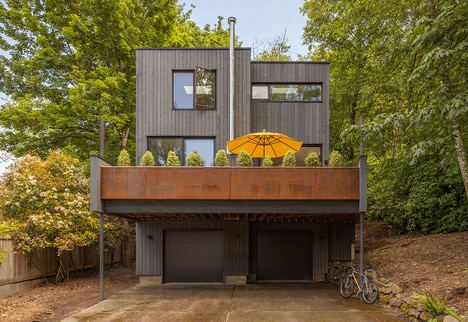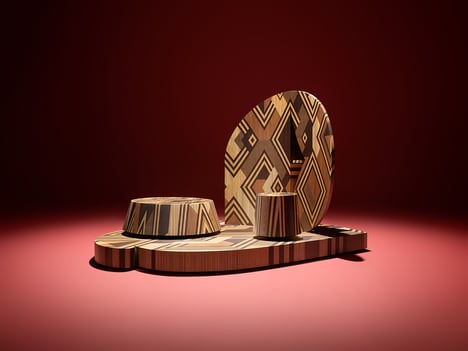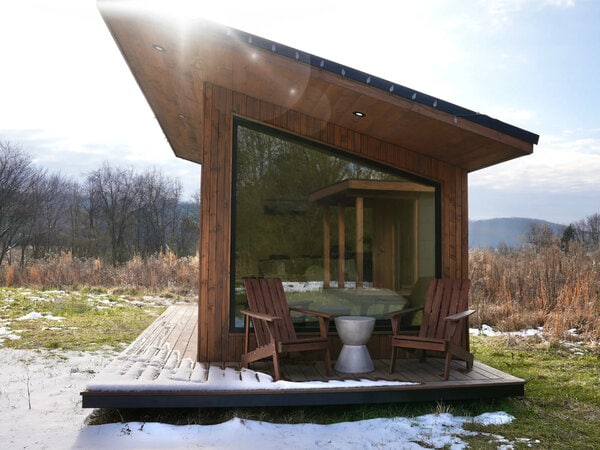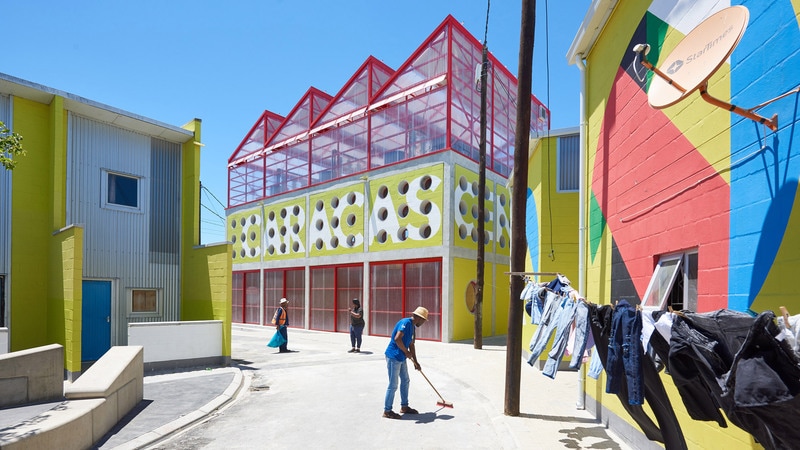
UTT Empower Soweto’s new community centre in Caracas emphasises social cohesion and environmental responsiveness through a flexible layout that brings people and landscape together. The building’s form is organised around a central courtyard that functions as both a gathering space and natural ventilation spine, enabling cross-ventilation and daylight penetration throughout interior zones. Programmatic elements include multifunctional halls, workspaces, and outdoor terraces that support events, learning, and everyday interaction, while the material palette combines locally sourced brickwork with timber accents to reinforce a tactile, human-centred environment.
The centre’s architecture responds to its sloped site with terraced platforms and stepped circulation that connect indoor activities with adjacent green spaces. Permeable façades and shaded walkways enhance comfort in Caracas’s climate, and sustainable strategies such as rainwater harvesting and passive solar orientation inform the design without overt technological intervention.
Image Credit: Are Carlsen
Key Themes Behind This Trend
- Sustainable Architecture
- The incorporation of passive solar orientation and rainwater harvesting in community centers reflects a shift towards environmentally responsive building designs.
- Multifunctional Spaces
- The trend of integrating multifunctional halls and workspaces indicates a growing demand for versatile community environments that cater to diverse activities.
- Human-centered Design
- A focus on locally sourced materials and tactile environments emphasizes the evolution towards design strategies that prioritize human interaction and comfort.
Where This Applies
- Architecture and Construction
- Innovations in architecture prioritizing natural elements and sustainable materials are reshaping industry standards for future developments.
- Community Development
- Community centers that cultivate social cohesion and environmental consciousness are setting new precedents in urban planning and community empowerment.
- Environmental Design
- The emphasis on integrating nature with built environments is redefining the industry with fresh approaches to sustainable and climate-resilient design.