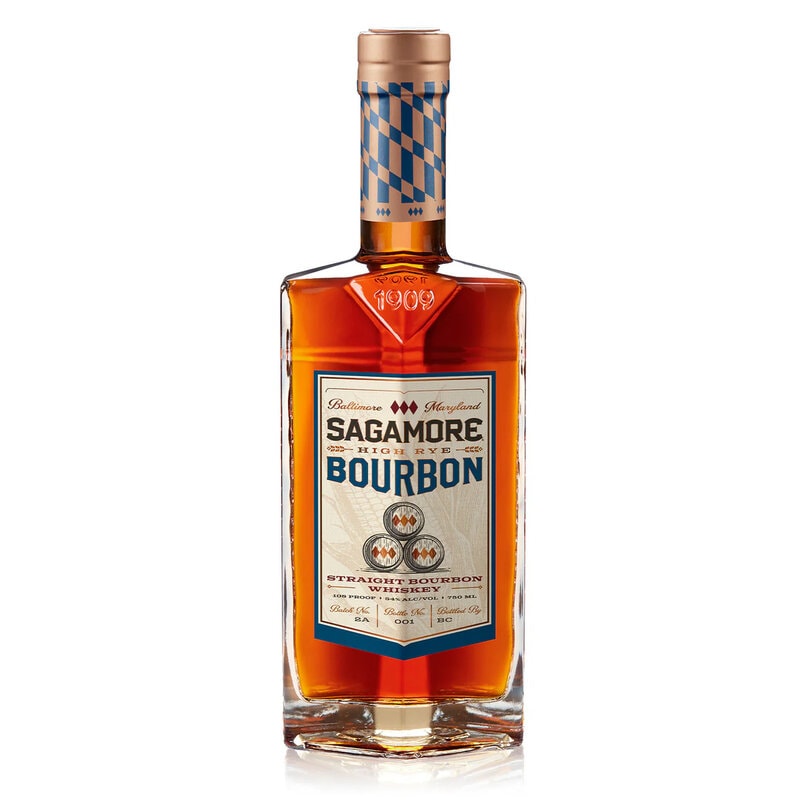
Disaronno Group-backed Sagamore Whiskey introduced Sagamore High Rye Straight Bourbon to the UK, bringing the brand’s flagship high-rye Bourbon to a new market with a 60% corn, 25% rye and 15% malted rye mash bill. The whiskey joined Sagamore’s core range this summer after a limited Maryland debut in October 2025 and a nationwide U.S. rollout in July 2026.
The spirit is aged for six years in charred new American oak barrels and bottled at 43% ABV. It is positioned as a Baltimore-made Bourbon that pays homage to Kentucky tradition while advancing Maryland-style whiskey. UK distribution began through The Whisky Exchange, priced at £44.95 per 700ml bottle, with a rollout at The Whisky Shop planned for October.
For consumers, the launch expands access to rye-forward Bourbon styles while highlighting Sagamore’s Maryland whiskey heritage. The release also reflects growing international interest in distinctive regional expressions from U.S. whiskey producers.
Image Credit: Sagamore Whiskey
Why This Trend Is Growing
- Rye-forward Bourbon
- Higher-rye mash bills are reshaping bourbon flavor expectations, creating space for differentiated premium expressions that appeal to adventurous whiskey drinkers.
- Regional Whiskey Heritage
- Place-based storytelling around Maryland-style production offers brands a way to stand apart from Kentucky-dominated bourbon narratives in global markets.
- International Craft Spirits
- Expanding U.S. craft whiskey into overseas retail channels signals rising demand for distinctive American spirits beyond established legacy labels.
Industries Being Reshaped
- Alcoholic Beverages
- Premium whiskey releases with specific mash bills and aging credentials are strengthening category segmentation across mature and emerging consumer markets.
- Specialty Retail
- Curated spirits retailers are becoming key discovery points for niche bourbon styles, supporting more targeted launches and limited-distribution brand building.
- Food and Beverage Tourism
- Regional whiskey identities can translate into experiential demand, linking product launches with destination branding, tastings, and heritage-led consumer engagement.