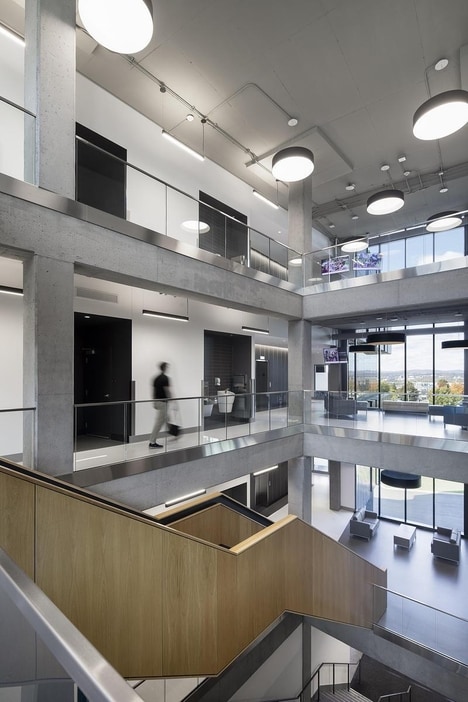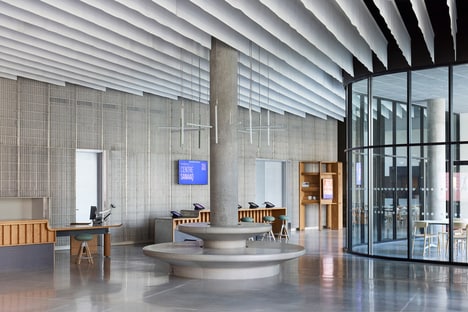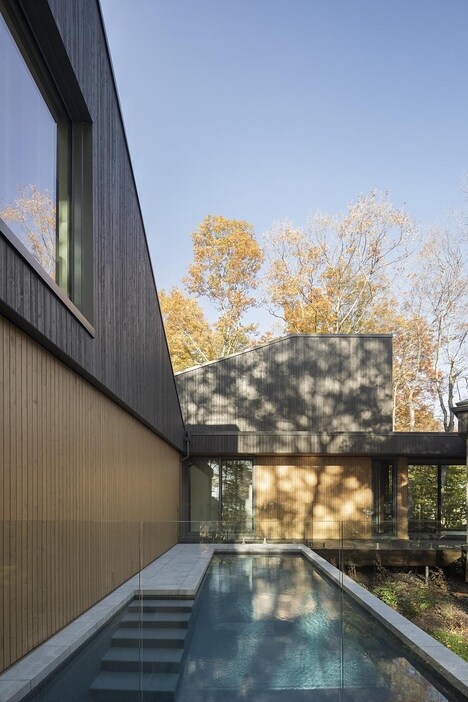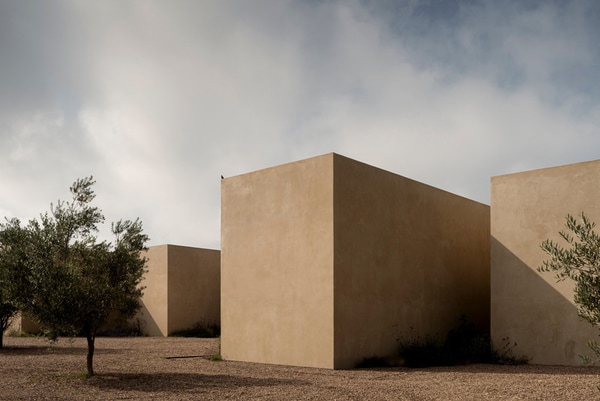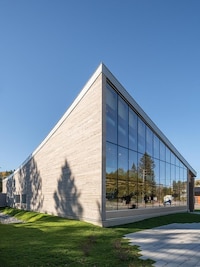
Canadian architectural firm Provencher_Roy has debuted the Claude-Provencher Excellence Scholarship. This $15,000 annual award honours the legacy of co-founder Claude Provencher, a leading figure in Canadian architecture known for his humanistic, sustainable vision and his commitment to rigour, creativity, and social engagement.
The Claude-Provencher Excellence Scholarship supports graduating university students in architecture and related disciplines who seek to further develop a final academic project aligned with Provencher's core values. The award provides not only financial assistance but also professional mentorship within the firm, including access to workspace, specialized equipment such as model workshops and 3D printing, and ongoing guidance from a senior design professional. The scholarship culminates in a public exhibition and a publication documenting the research process and outcomes, offering recipients valuable exposure and a tangible portfolio piece that can significantly enhance their career prospects.
For students who are Canadian citizens, permanent residents, or international students enrolled in selected Canadian universities, this opportunity represents a meaningful investment in their professional development.
Image Credit: Provencher_Roy
Why This Trend Is Growing
- Firm-sponsored Scholarships
- Architecture firms are turning educational funding into talent pipelines where financial support, mentorship, and studio access reshape how emerging designers enter professional practice.
- Mentored Design Incubation
- Structured guidance from senior practitioners gives student-led academic projects a pathway toward market-ready research, public visibility, and stronger professional credibility.
- Portfolio-based Public Showcases
- Exhibitions and publications around student work create new platforms for validating design ideas, expanding career exposure, and connecting academic research with industry audiences.
Industries Being Reshaped
- Architecture
- Humanistic and sustainable scholarship models introduce fresh mechanisms for firms to influence design education while discovering early-stage ideas with commercial and civic relevance.
- Higher Education
- University-industry partnerships in architecture education signal a shift toward experiential credentials that combine funding, fabrication resources, mentorship, and public-facing outcomes.
- Design Technology
- Access to model workshops, 3D printing, and specialized studio equipment expands opportunities for students to prototype complex spatial concepts before entering professional practice.