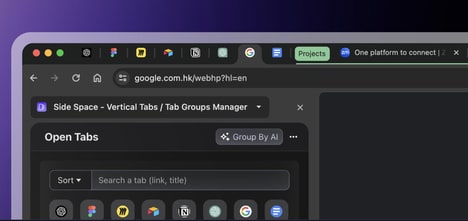
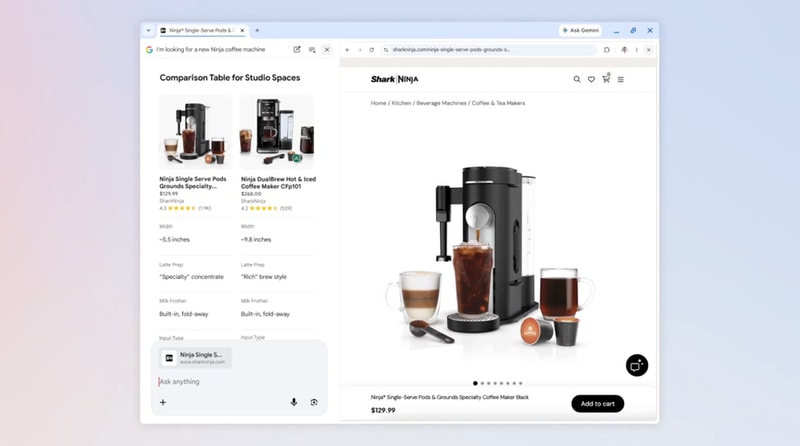
Google rolled out an update to AI Mode on Chrome desktop that opens clicked links in a side-by-side layout with its conversational search interface, featuring simultaneous page view and chat-driven context.
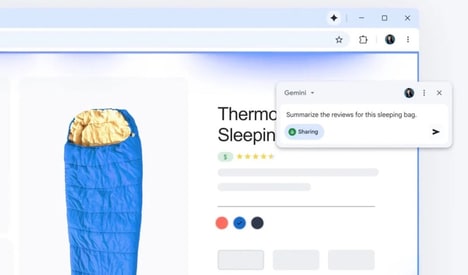
The company introduced the change to help users explore sites while keeping AI Mode’s guidance visible, enabling follow-up queries that draw on both the webpage and broader web context. Google also added a new tab-aware search control that lets users include recent open tabs in an AI Mode query, letting the assistant reference multiple pages, images or files when answering.
The feature was presented as a way to reduce tab-switching and keep research focused by surfacing relevant details from linked pages alongside AI Mode’s responses, currently available in the U.S. with wider rollout planned.
Image Credit: Google
Why This Trend Is Growing
- Side-by-side Browsing
- The simultaneous display of AI conversation and webpage content creates scope for interfaces that blend explanation and source material for streamlined information synthesis.
- Tab-aware Querying
- Incorporating open tabs into assistant context points toward assistants capable of aggregating multi-page evidence for more coherent, context-rich responses.
- Conversational Contextualization
- AI responses that reference both a target page and the broader web hint at new models that dynamically weigh local and global context for citation-aware answers.
Industries Being Reshaped
- Web Browsers
- Browser vendors stand to be disrupted by embedding conversational layers that reduce tab proliferation and reframe navigation as guided exploration rather than link hopping.
- Enterprise Research Tools
- Research platforms could be transformed by assistants that synthesize multiple internal and external documents in a unified view to accelerate decision-grade insight generation.
- Digital Publishing and Ad Tech
- Content and advertising ecosystems may be reshaped as side-by-side displays change attention flows and enable richer, context-linked monetization formats.