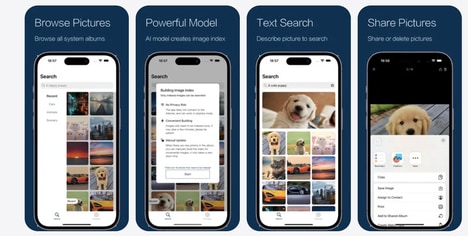
Google introduced a new, more visible toggle in Google Photos that lets users switch between the AI-driven Ask Photos search and the older classic search, with the change announced by Google Photos lead Shimrit Ben-Yair.
The Ask Photos feature, launched in the U.S. in 2024, enables natural-language photo queries and complex requests, and the toggle was designed to surface control previously buried in settings. The update adjusts how results are presented, with Google saying it will still surface whichever results best match a user’s query while offering a simple way to opt out of the AI mode.
For users, the toggle restores choice and responsiveness, addressing complaints about latency and accuracy and reflecting a broader product trend toward clearer privacy and control options in AI-enhanced apps.
Image Credit: Primakov / Shutterstock
Why This Trend Is Growing
- Transparent AI Mode Toggles
- A visible toggle between AI and classic modes reveals user preference signals that could reshape interface design and feature rollouts.
- Natural-language Visual Search
- This shift toward conversational queries for images creates room for systems that better interpret complex, context-rich requests and multimodal intent.
- User-controlled Personalization
- Providing easy opt-out and opt-in controls surfaces granular preference data that can enable differentiated, trust-focused product tiers.
Industries Being Reshaped
- Consumer Photo Apps
- Photo platforms can leverage toggled AI modes to offer distinct user experiences that balance speed, accuracy, and privacy expectations.
- Search Engine Platforms
- Search providers may integrate visible mode controls to manage latency-accuracy trade-offs and to segment results delivery based on declared user intent.
- Privacy and Consent Technologies
- Tools that codify and surface user consent choices could become core infrastructure for applications needing transparent AI behavior and auditability.