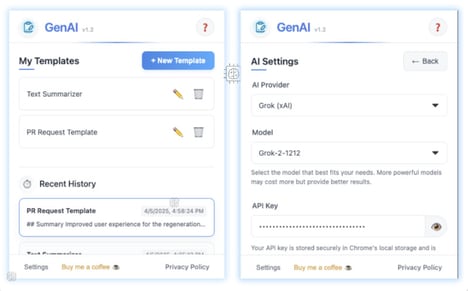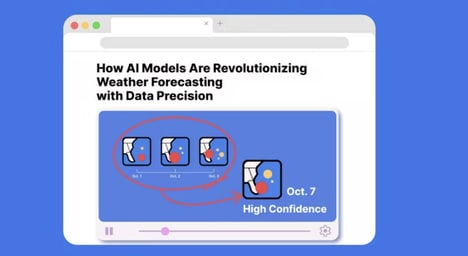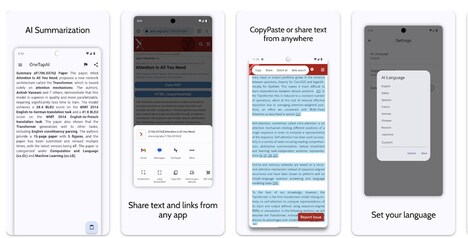
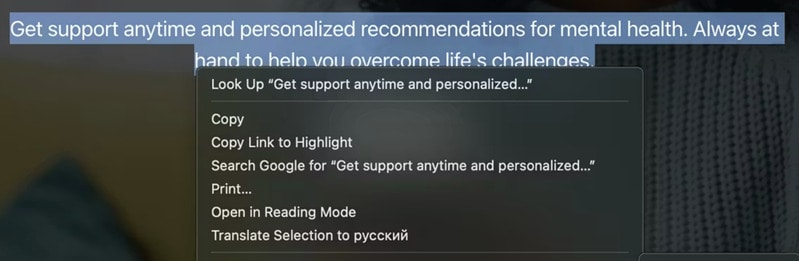
PagePilot AI is a Chrome browser extension that enables users to interact with artificial intelligence directly within web pages. By highlighting text on a page, users can trigger AI-driven actions such as summarization, translation, content generation, or data extraction without switching applications.
The extension is designed to streamline workflows by integrating AI tools into the browsing experience, reducing context switching and improving efficiency for research, writing, and analysis tasks. PagePilot AI functions as an intermediary interface, connecting the user’s input to AI processing in real time. While it does not provide standalone AI capabilities or replace dedicated applications, it serves as a productivity enhancer for professionals and teams seeking immediate, contextual AI assistance. The platform exemplifies the integration of AI into daily digital workflows for time-sensitive tasks.
Image Credit: PagePilot AI
What's Driving This Trend
- In-browser AI Integration
- Embedding AI capabilities directly into web browsers creates opportunities to transform how users access and apply intelligent services without leaving the page.
- Contextual AI Actions
- By enabling AI responses tied to highlighted text and page context, systems can offer more relevant, situation-aware outputs that challenge standalone tooling models.
- Zero-context-switching Interfaces
- Reducing or eliminating the need to jump between apps can shift workflow architectures toward lightweight, plugin-based intelligence that redefines productivity software boundaries.
Who This Affects Most
- Enterprise Software
- Enterprise platforms may be reshaped as modular ecosystems where browser-embedded AI components provide on-demand analytics and content capabilities within existing enterprise workflows.
- Research and Academic Publishing
- Academic workflows could see accelerated literature synthesis and annotation when AI tools are integrated into browsers to generate concise, context-sensitive summaries and metadata.
- Customer Support and CRM
- Customer service systems might evolve to include in-page AI assistants that extract intent and generate responses directly from web records, altering the architecture of support tools.