Google has introduced an Auto Browse feature for its Chrome browser that uses the company’s Gemini 3 generative AI model to carry out web tasks on a user’s behalf. Available initially in the United States for subscribers to Google’s AI Pro and AI Ultra plans, the agent is designed to handle online chores such as booking travel, searching for rentals, or managing expenses. The core differentiator is its ability to actively operate the browser, rather than just summarizing pages or answering questions.
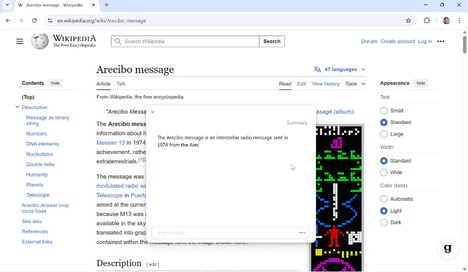
Auto Browse is accessed through the Gemini sidebar in Chrome, where users type instructions and then watch as the agent takes over a tab and performs clicks and navigation steps. In demonstrations, the tool reordered an item from a past purchase and searched for discount codes before checkout. For higher-risk actions like social posts or payments, the system pauses and presents a step-by-step summary, asking the user to confirm before proceeding.
For consumers, Auto Browse reflects a shift from passive AI helpers toward agentic tools that execute multi-step workflows online. This may streamline repetitive digital tasks for busy users already embedded in Google’s ecosystem, particularly around shopping and trip planning. The feature also aligns with a broader trend in browsers, where AI is becoming a built-in layer for task completion rather than an optional add-on, signaling a new phase in how people navigate and interact with the web.
Image Credit: Google
Why This Trend Is Growing
- Agentic AI Tools
- AI tools that execute tasks autonomously represent a move towards more proactive digital assistance, reshaping user interaction paradigms and enhancing efficiency.
- Task-driven Browsing
- A shift towards browsers that perform specific tasks rather than serving as passive information retrieval platforms introduces new efficiencies and convenience for users.
- Integrated AI in Browsers
- The integration of AI directly within browsers as a standard feature heralds a new era in web interaction, where task completion becomes an innate browser capability.
Industries Being Reshaped
- Travel and Hospitality
- The emergence of AI-driven online task managers creates opportunities in the travel industry for more streamlined and efficient booking experiences.
- Retail and E-commerce
- Retailers can leverage autonomous browsing agents for personalized and automated shopping experiences, potentially increasing customer satisfaction and conversions.
- Financial Technology
- Financial management can be enhanced through AI systems capable of autonomously handling transactions and budget tracking, providing users with greater control and insight.