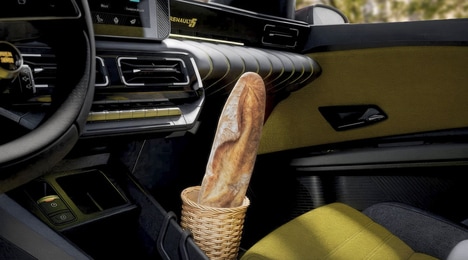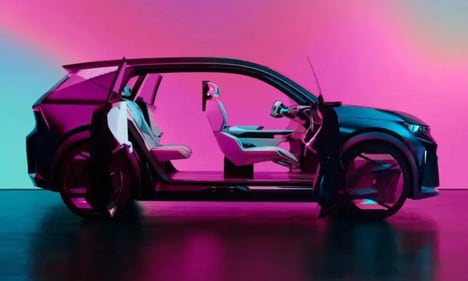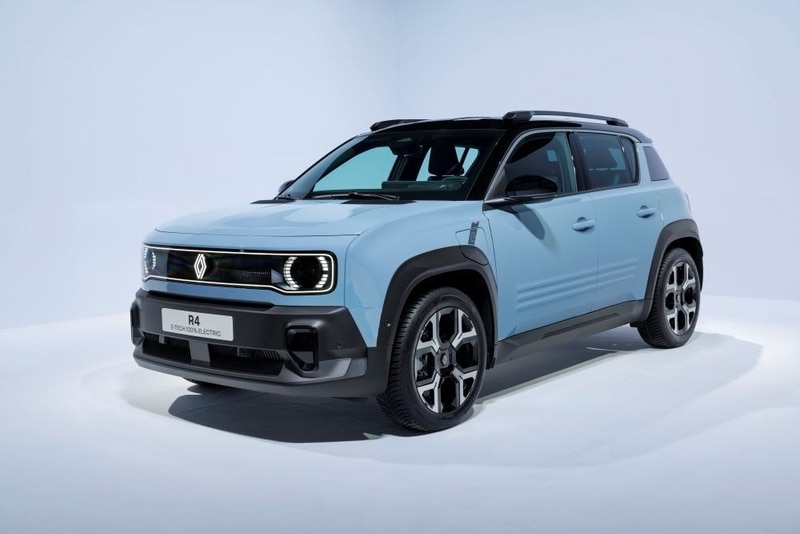
Heritage electric vehicles are helping automakers bridge the gap between nostalgia and next-generation mobility by reintroducing iconic models with modern electric powertrains and connected technologies. Renault's all-electric Renault 4 preserves recognizable design elements from the original model while adding features such as bidirectional V2G and V2L charging, Google-integrated infotainment, voice assistance, and practical family-focused storage. The vehicle also incorporates recycled materials and localized manufacturing, aligning heritage branding with contemporary sustainability goals.
For automotive brands, reviving classic nameplates can strengthen emotional connections with existing customers while attracting new EV buyers seeking familiar styling and modern functionality. Combining legacy design with digital features and energy capabilities creates differentiation in an increasingly competitive electric vehicle market. As more manufacturers modernize historic models, heritage-inspired EVs are becoming a compelling strategy for expanding consumer appeal, reinforcing brand identity, and accelerating the transition toward electric mobility.
Image Credit: Renault
What Makes This Trend Stand Out
- Retro-electric Design
- Iconic styling paired with electric drivetrains creates space for automakers to differentiate EVs through emotional familiarity and modern performance.
- Bidirectional Energy Vehicles
- Vehicles equipped with V2G and V2L capabilities expand the role of cars into mobile energy assets for homes, devices, and grids.
- Connected Heritage Mobility
- Classic model revivals enhanced with integrated infotainment and voice assistance blend brand nostalgia with software-driven customer experiences.
Sectors Adopting This
- Automotive
- Legacy manufacturers can use revived nameplates to deepen brand loyalty while competing in the crowded electric vehicle market.
- Clean Energy
- Bidirectional charging and localized sustainable production connect electric mobility with broader energy resilience and low-carbon infrastructure.
- Consumer Technology
- In-vehicle digital ecosystems featuring Google integration and voice interfaces position cars as connected platforms for daily services and data-driven engagement.