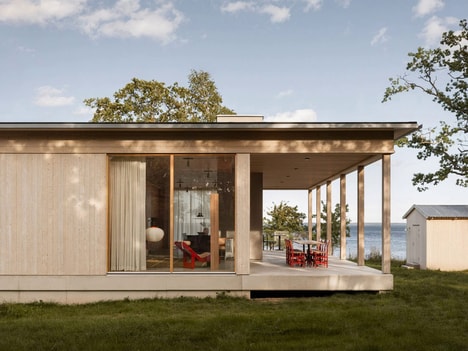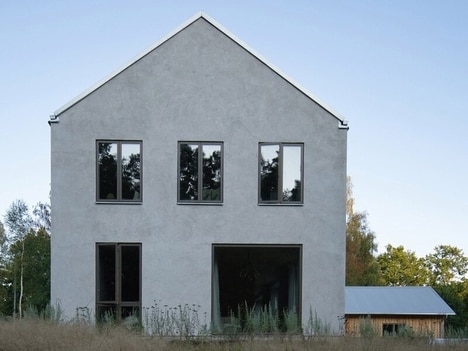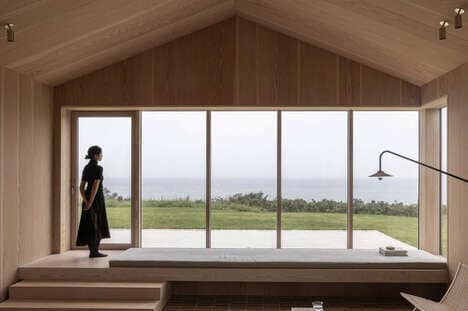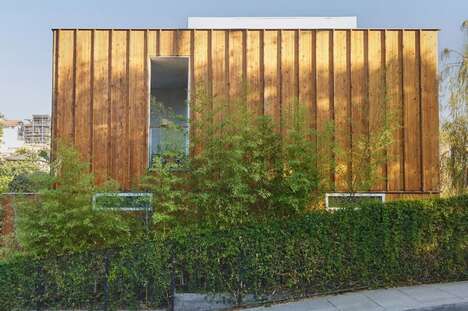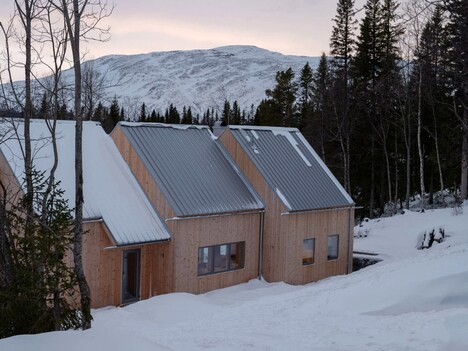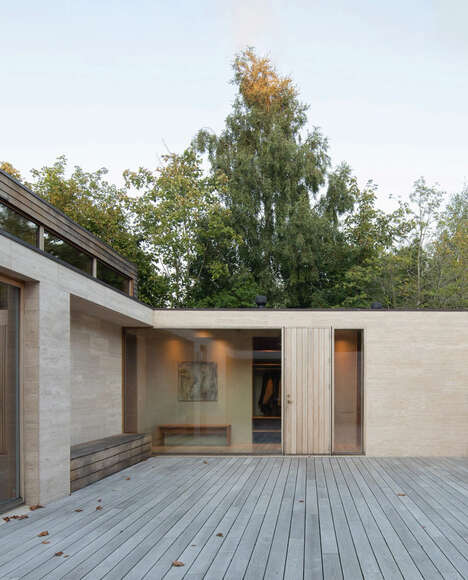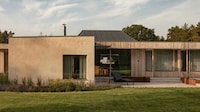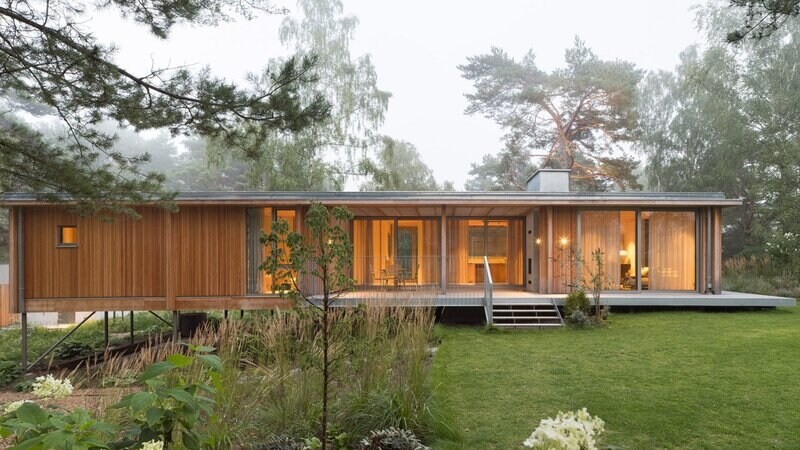
Swedish design firm Johan Sundberg Arkitektur designs the Yngsjö holiday home. It is made with natural materials and a light tonal palette which is compatible with the environment of southern Sweden. It is dubbed after its location -- Yngsjö is just by the Baltic Sea shores. The house was constructed as a tranquil retreat away from city life for a Swedish family based in London.
Sundberg explains, "I aimed to reduce complexity but avoid reductionism, creating a house that stands out while still adapting to its surrounding. The kitchen, entirely in oak, adds a warm, mysterious quality to the interior – it became delightful, darker and a bit more mysterious than I first imagined. The woodworking around the awnings and the quality of light filtering through the ceiling exceeded our expectations from the model work."
Image Credit: Markus Linderoth
Why This Trend Is Growing
- Sustainable Architecture
- Using natural materials in construction offers a path toward eco-friendly designs that integrate seamlessly with their environments.
- Minimalist Design Aesthetics
- Streamlined architecture that reduces complexity without sacrificing style is gaining popularity for its ability to enhance living spaces in harmony with nature.
- Light-filled Interiors
- Innovative design techniques that leverage natural light through strategic woodworking and open spaces promise to redefine residential experiences.
Industries Being Reshaped
- Architecture
- The demand for homes that blend modern aesthetics with sustainable practices is reshaping architectural priorities and materials.
- Interior Design
- An increasing focus on natural materials and minimalist design is transforming how interior spaces are conceptualized and executed.
- Construction
- As clients seek more environmentally conscious options, the construction industry is pivoting towards using durable and eco-friendly resources.