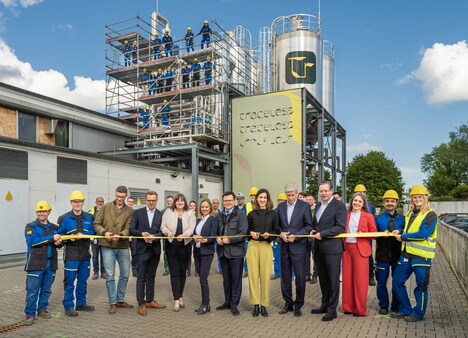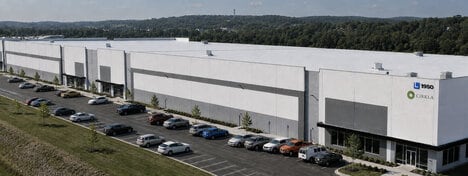
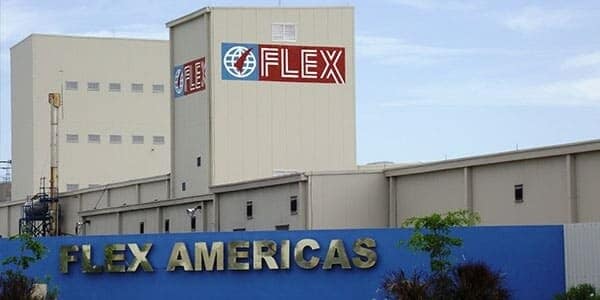
UFlex launched its first overseas woven polypropylene bag manufacturing plant in Altamira, Mexico, with annual production capacity of 80 million bags. The Indian packaging company invested approximately €45 million in the facility as part of its broader expansion across the Americas.
The plant uses advanced European machinery and includes an in-house recycling unit, zero solid waste discharge system and integrated converting capabilities using water-based inks. Its WPP bags incorporate precision hot-air sealing for different sizes and specifications, along with mite-preventive laser venting designed to release air while limiting mite ingress. The facility also houses quality and environmental control laboratories.
For packaging buyers, the Mexico plant brings high-volume production closer to North and Latin American markets while supporting more responsive regional supply. The investment reflects growing demand for durable, hygienic and sustainability-focused WPP formats, particularly in categories such as pet food packaging.
Image Credit: UFlex
Key Themes Behind This Trend
- Regional Packaging Hubs
- Localized high-volume woven bag production creates room for faster replenishment models and reduced dependence on distant supply chains.
- Circular WPP Manufacturing
- Integrated recycling systems and zero-waste operations signal new value in packaging formats that combine durability with measurable sustainability performance.
- Hygienic Bag Engineering
- Features such as mite-preventive laser venting and precision sealing point to differentiated packaging for sensitive goods that require contamination control.
Where This Applies
- Pet Food Packaging
- Premium pet food brands gain access to durable, hygienic WPP formats that support freshness, bulk handling and sustainability expectations.
- Flexible Packaging
- Advanced converting capabilities with water-based inks expand the market for lower-impact flexible packaging produced near major regional buyers.
- Manufacturing Automation
- European machinery and integrated quality labs illustrate how automated production can elevate consistency, scalability and environmental compliance in industrial packaging.