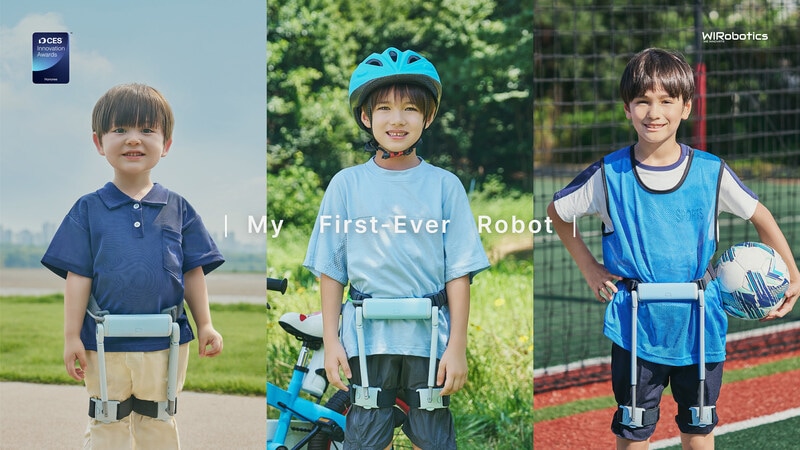
With CES on the horizon, anticipation is building as 2026 award winners are announced, and WIRobotics' WIM KIDS has been named a CES 2026 Innovation Award winner in the Digital Health category.
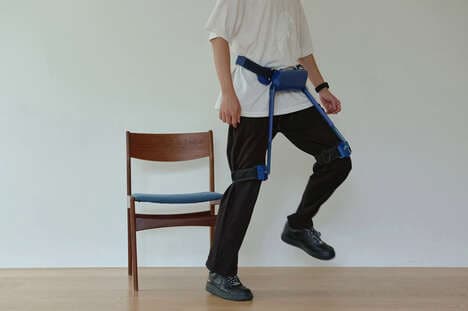
There are countless wearable robots for adults, and these devices usually allow for a moderate amount of adaptability, but don’t need to account for significant physical growth or size changes because their intended users are fully grown. WIM KIDS is a walking-assist wearable robot that stands out because it boasts a modular Growth-Adaptive Frame system that can be adjusted to accommodate kids from ages four to 15.
Weighing less than a kilogram, WIM KIDS uses an AI-based personalized algorithm to provide natural walking assistance and improve gait stability and comfort without restricting movement.
What Makes This Trend Stand Out
- Growth-adaptive Wearable Technologies
- Wearable technologies with growth-adaptive frames are emerging as crucial tools for accommodating the varying physical needs of children, providing continuous support throughout their development.
- AI-powered Mobility Solutions
- Artificial intelligence is enhancing mobility solutions by offering personalized assistance that adapts to the wearer's unique patterns, leading to improved functionality and user satisfaction.
- Lightweight Wearable Robotics
- Innovations in lightweight robotics are making wearable devices more comfortable and practical for everyday use, expanding their potential applications and user base.
Sectors Adopting This
- Pediatric Healthcare
- The pediatric healthcare industry is witnessing advancements with adaptive wearable robots that cater specifically to children's developmental needs, offering improved therapy outcomes.
- Wearable Technology
- Within wearable technology, there is a growing focus on creating adaptable devices that can cater to different age groups, providing tailor-made solutions for various users.
- AI and Robotics
- AI and robotics are converging to create innovative solutions that enhance mobility and function, paving the way for next-generation assistive devices.