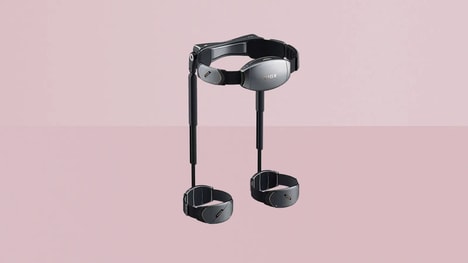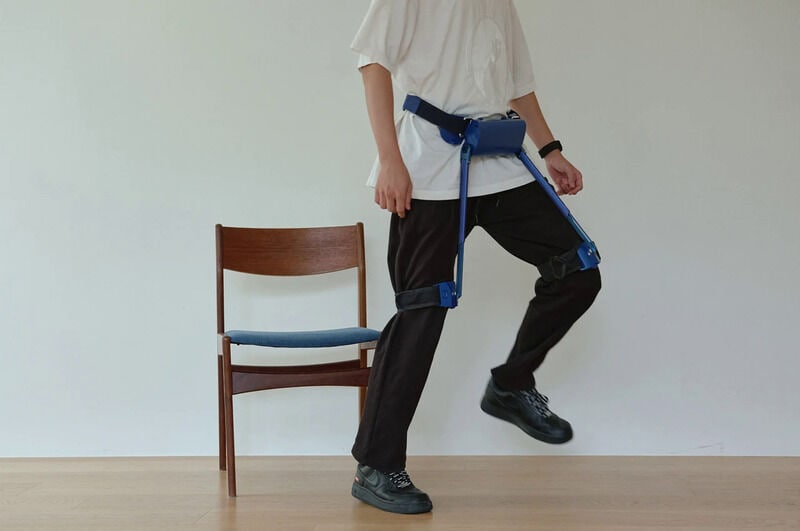
WIRobotics introduces a look at the WIM, which is a mobility-assist wearable tool that is designed for the younger demographic to walk and exercise more efficiently. It can be worn as a harness as it secures around the thigh braces and buckle together similar to a fanny pack around the waist.
The company was formed by what was once a Samsung Electronics robotics engineer with a focus on helping those with limited movement. The Wearable Mobility WIM robot is meant to help those who have issues with their legs or walking in general. It also aids those who are aiming to strengthen their lower body. It is lightweight and boasts a slim and compact structure for comfort.
Image Credit: WIRobotics
Why This Trend Is Growing
- Youth-oriented Assistive Technology
- The WIM device highlights an emerging focus on creating assistive wearable technology specifically for younger users.
- Lightweight Wearable Robotics
- The slim and lightweight design of the WIM device reflects a broader trend towards making assistive robotics more user-friendly and unobtrusive.
- Lower Body Rehabilitation Tools
- Wearable devices like the WIM are pioneering new methods for lower body rehabilitation, particularly for those with mobility challenges.
Industries Being Reshaped
- Healthcare
- Healthcare providers can utilize advancements in assistive wearables like the WIM to enhance patient rehabilitation programs.
- Wearable Technology
- The wearable tech industry is expanding into assistive devices, emphasizing designs that cater to specific physical needs while maintaining comfort and functionality.
- Robotics
- Innovations in robotics are creating sophisticated mobility aids such as the WIM, which combine engineering expertise with practical applications for improved mobility.