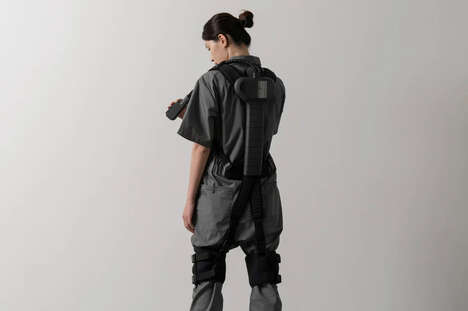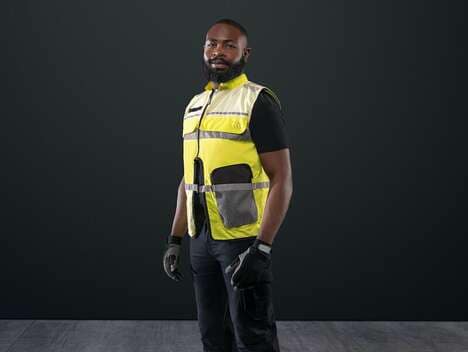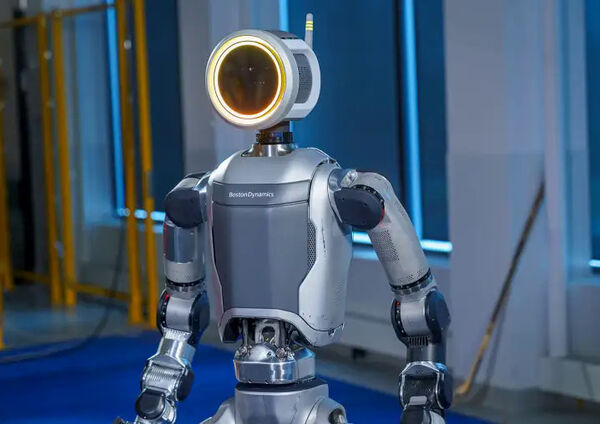
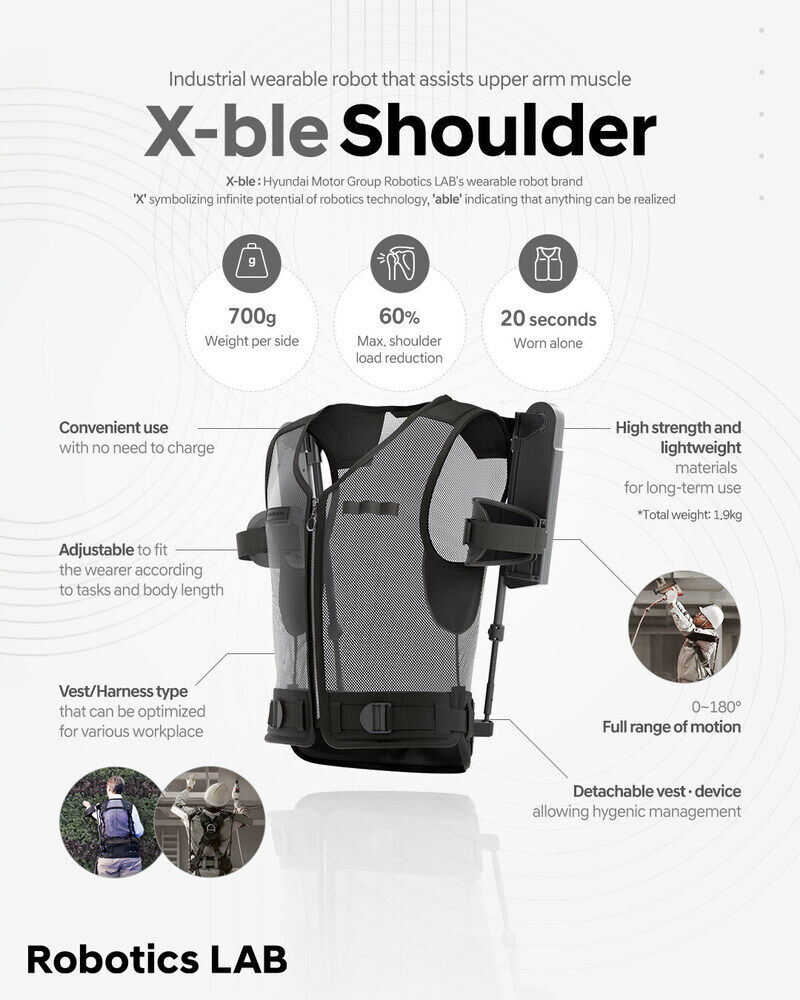
The introduction of Hyundai Motor and Kia's X-ble Shoulder wearable robot marks a significant advancement in industrial robotics. The innovation is designed to enhance worker safety and efficiency. By reducing shoulder strain by 60% and muscle activity by 30%, this lightweight device is positioned as a solution for physically demanding tasks like overhead work. Industries such as construction, shipbuilding, and agriculture are likely to benefit from the wearable robot's ability to alleviate musculoskeletal injuries, which are a common challenge in these sectors.
The X-ble Shoulder represents the first in a series of planned products under the X-ble brand. Hyundai Motor and Kia's announcement also highlights future projects, including wearable robots for lower back support and medical applications.
Image Credit: Hyundai Motor and Kia
Why This Trend Is Growing
- Wearable Robotics
- The X-ble Shoulder wearable robot marks significant progression in enhancing worker safety and operational efficiency through advanced robotics.
- Musculoskeletal Injury Prevention Tech
- Reducing shoulder strain and muscle activity by notable percentages, this technology focuses on mitigating common physical work-related injuries.
- Multi-functional Wearable Devices
- Future plans for the X-ble brand include developing robots for lower back support and medical purposes, indicating a trend towards versatile wearable solutions.
Industries Being Reshaped
- Construction
- Construction is set to benefit from wearable robotic solutions like the X-ble Shoulder, which can significantly alleviate physical strain on workers performing overhead tasks.
- Shipbuilding
- The shipbuilding industry, known for its labor-intensive operations, can improve worker safety and efficiency through the adoption of wearable robotics.
- Agriculture
- Agriculture workers, often facing physically demanding tasks, can look forward to reduced musculoskeletal injuries with the implementation of safety-enhancing wearable robots.