Drive Medical is bringing 'WalkWise,' its monitor for walkers and rollators, into home care for families and caregivers for the first time, after prior use in long-term care. The clip-on device turns a mobility aid into a connected one, giving relatives a way to track daily movement without adding a wearable or changing the user's routine, the company says.
It mounts on a front wheel and is roughly 0.5 inches thick, while two AAA batteries can power it for nearly a year. With the 'WalkWise by Drive' app and a subscription, caregivers can receive inactivity or tip-over alerts via the app, text, or email.
Drive Medical shows how a wheel-mounted monitor sold through Walmart, Amazon, and Drive Medical at Home can bring remote movement monitoring to families supporting an older adult at home.
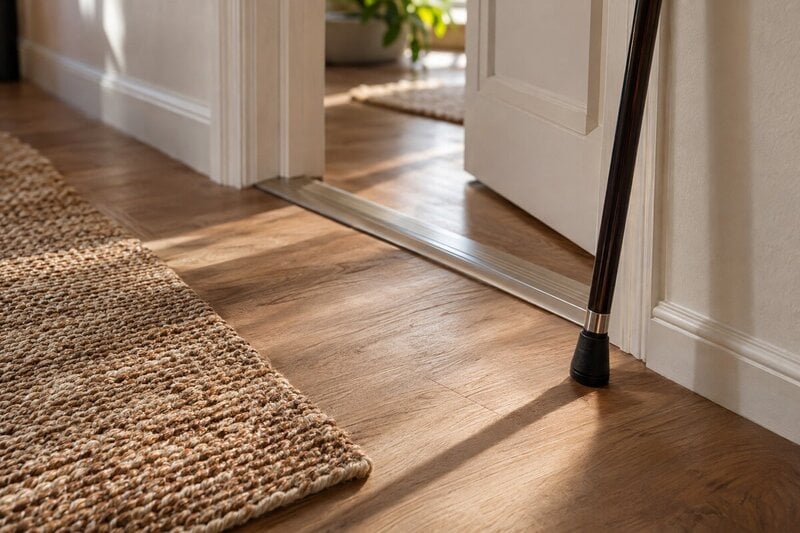
Image Credit: AI-generated
Key Themes Behind This Trend
- Connected Mobility Aids
- Wheel-mounted sensors are turning everyday walkers and rollators into passive monitoring tools, creating opportunities for unobtrusive health insights without wearables.
- Remote Care Alerts
- Inactivity and tip-over notifications are expanding home care visibility, enabling new service models around real-time safety monitoring for aging populations.
- Subscription-based Eldertech
- App-linked mobility devices with recurring plans are introducing consumer-friendly revenue streams for companies serving family caregivers and seniors aging at home.
Where This Applies
- Home Health Care
- Passive movement tracking can strengthen caregiver support by extending professional-grade monitoring into private residences.
- Medical Devices
- Retrofitting existing mobility products with compact sensors opens pathways for connected upgrades without replacing familiar equipment.
- Senior Care Technology
- Retail-available monitoring devices are broadening access to aging-in-place solutions through mainstream e-commerce and direct-to-consumer channels.