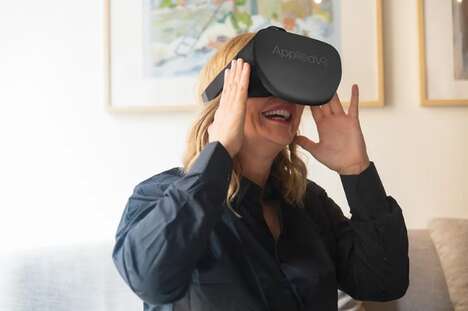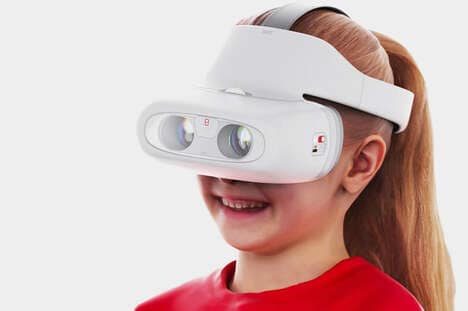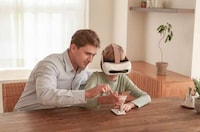


Vivid Vision, a San Francisco-based startup is leveraging virtual reality to help those with visual disorders regain strength in their eyes.
Vision disorders affect about 10% of Americans and can greatly impact one's ability to play sports, drive and even limit career choices. Prior to the application of technology, disorders like Strabismus and amblyopia, more commonly known as crossed eye and lazy eye, were treated with vision therapies such as eye patches or eye drops. It wasn't until recently, when Vivid Vision's founder James Blaha, began applying VR to vision care with successful results, that the potential of the relatively new technology, was recognized.
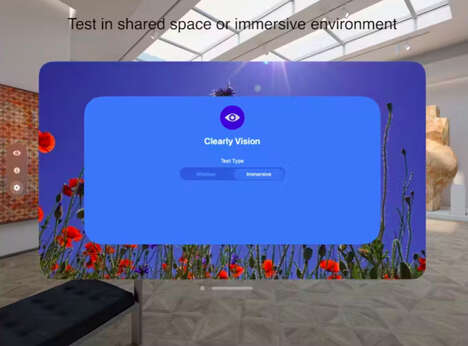
Vivid Vision aims to leverage virtual reality to create customized and engaging eye-strengthening sessions, that can be practiced at-home or in clinical settings. The technology has been recognized and implemented by over 90 clinics throughout the United States, treating more than 6,000 patients. Vivid Vision's alternative therapy shows promise for the expansion of the vision care platform.
What's Driving This Trend
- Virtual-reality Vision Therapy
- The use of VR technology to treat vision disorders shows promise for disrupting traditional vision therapy methods.
- At-home Medical Devices
- The development of VR devices for personalized and at-home use creates an opportunity for disruption in the medical devices industry.
- Customized Medical Treatments
- The customization of VR therapy sessions creates opportunities for disruptive innovation in personalized medical care.
Who This Affects Most
- Healthcare
- The use of VR technology for vision therapy has the potential to disrupt traditional healthcare practices and methods.
- Virtual Reality
- The development of VR technology for personalized medical treatments is a potential disruptive innovation opportunity within the virtual reality industry.
- Medical Devices
- The use of VR technology for at-home medical treatments creates an opportunity for disruption within the medical devices industry.