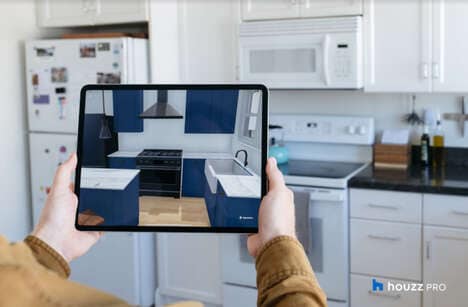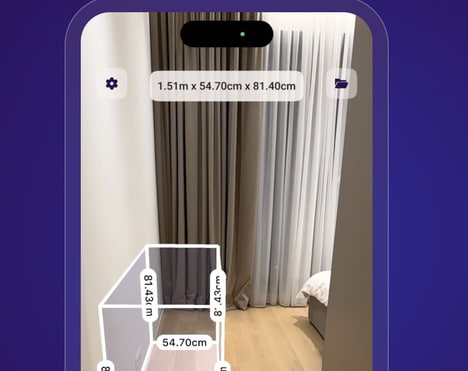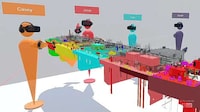
Commonly, virtual building technology is only used to show final presentations to clients, but this innovative architectural technology has the potential to help clients visualize a building or interior much earlier on.
Although the design process is far from linear, designers are often taught to go through the stages of design development, then advance to a computer and then finally, progress to work on a physical model in sequence. Professor Vincent Hui and his co-researcher Matthew Compeau of Toronto’s Ryerson University are disrupting this sequence by introducing augmented reality into the early stages of the design process.
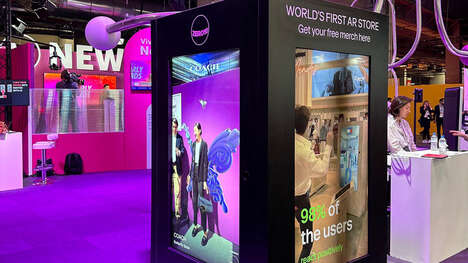
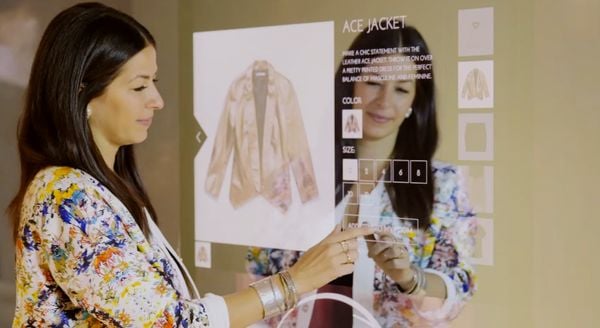
Since the technology has such a wide range of applications, it has the potential to be of benefit to engineers, architects, students, developers, as well as other designers and commercial applications.
Why This Trend Is Growing
- Early-stage AR Design
- Integrating augmented reality into the early stages of the design process disrupts the traditional linear sequence.
- Virtual Visualization
- Using virtual building technology allows clients to visualize buildings or interiors earlier in the design process.
- Multi-industry Applications
- Augmented reality in design has potential benefits for engineers, architects, students, developers, designers, and commercial applications.
Industries Being Reshaped
- Architecture
- The use of augmented reality in the early stages of design disrupts the traditional process, allowing architects to better visualize and communicate their ideas to clients.
- Engineering
- Implementing virtual building technology in the early design stages could streamline the engineering process, enhancing collaboration and problem-solving.
- Interior Design
- The integration of augmented reality in the design process provides interior designers with a powerful tool for visualizing and refining their ideas, ultimately improving client satisfaction.