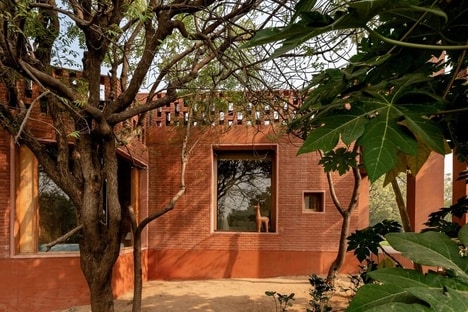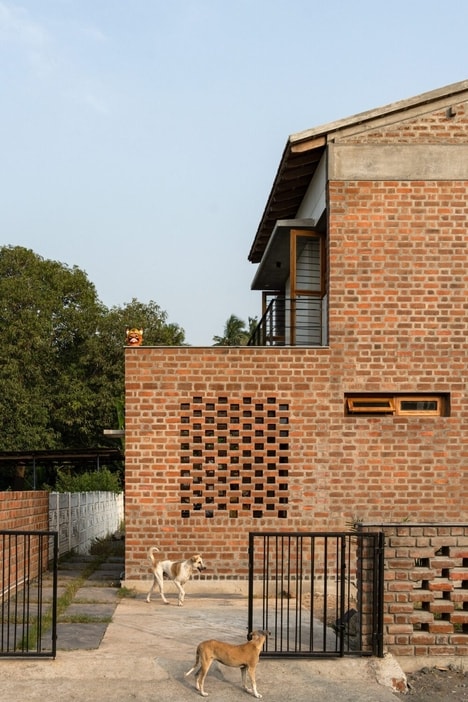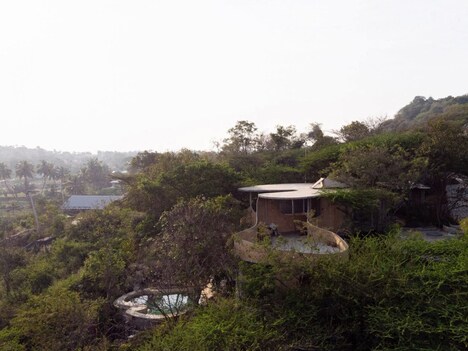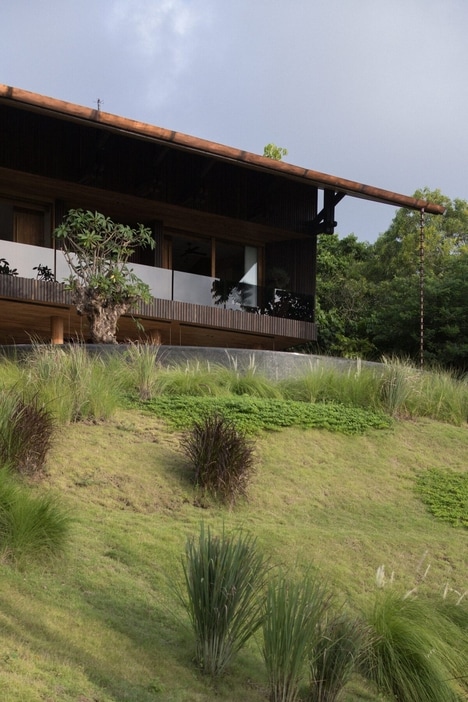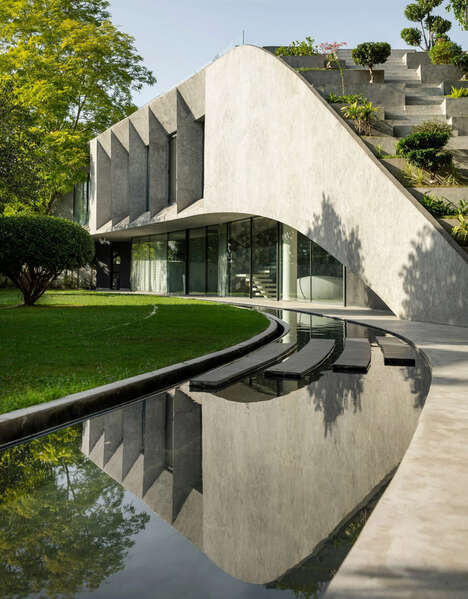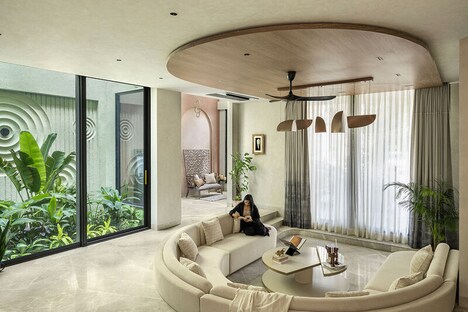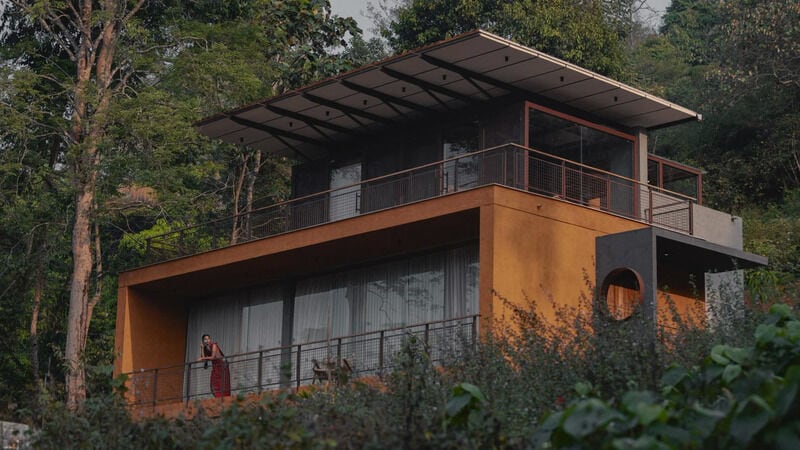
Indian design firm Studio Terratects has finished the design of the Urul home, which is nestled in a forest area in Kerala, India. The defining feature is the mud-plastered interior structure and this was commissioned by a client who is engaged in environmentalism. Urul has an earthy material palette that means to evoke nature to a maximum degree. It boasts a clean geometric form as the lower section has a cubed shape open on one side for a terrace.
The principal architect at the studio Roshith Shibu explains to Dezeen, "The core concept behind the design was to create a residence where every corner and element narrates a unique story of craftsmanship and nature's interplay. The design integrates artisanal techniques and natural materials, resulting in a home that feels both thoughtfully crafted and organically connected to its environment."
Image Credit: Prasanth Mohan
What's Driving This Trend
- Earthy Material Integration
- Combining natural materials like mud and clay in home interiors, creating a harmonious relationship between the built environment and nature.
- Artisanal Craftsmanship in Architecture
- Utilizing traditional artisanal techniques in modern home designs highlights the confluence between skilled human craftsmanship and contemporary aesthetics.
- Geometric Form Homes
- Adopting clean geometric shapes for residential structures promotes simplicity and maximizes functional space.
Who This Affects Most
- Sustainable Architecture
- Focus on eco-friendly designs and materials that reduce environmental impact while enhancing aesthetic appeal.
- Interior Design
- Incorporating natural elements and craftsmanship into home interiors to create spaces that narrate unique and personal stories.
- Construction Materials
- Advancing the use of earthy and sustainable materials in construction to foster eco-conscious building practices.