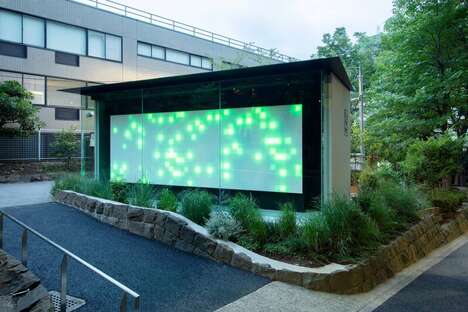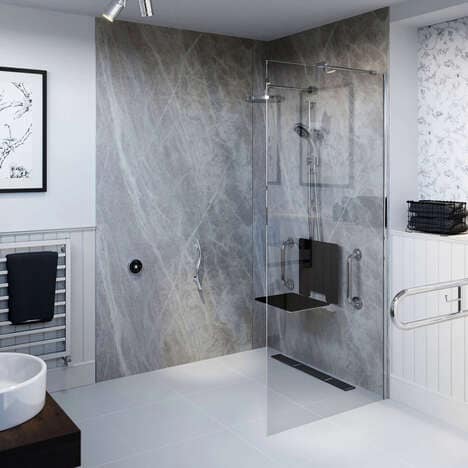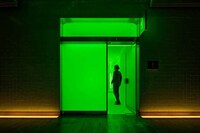
This public urinal design has been conceptualized by Hitesh Kumar Suthar as a way to help support the millions of people around the world who have some kind of visual impairment. The urinal design is achieved using a series of floor tiles that will work to guide the user to a free stall by letting them know through tactile feedback the right direction to walk. The sensors at the urinal itself will also work to guide the user to a stall for them to use as a final bit of support that would prevent them from disturbing someone already using the facilities.
The conceptual public urinal design is finished with a series of railings to help users orient themselves when standing in front of the fixture.
Why This Trend Is Growing
- Accessible Restroom Designs
- Innovative restroom designs are incorporating accessibility technology to help visually-impaired individuals navigate usage.
- Tactile Feedback Technology
- Growing popularity of tactile feedback technology used in restrooms presents opportunities for its application in other public facilities and industries.
- Smart Restroom Management
- Integration of sensors and other technology in restroom systems holds potential for efficient usage management, particularly in high-traffic areas.
Industries Being Reshaped
- Public Restroom Design
- Incorporating technology to meet accessibility needs of people with disabilities can lead to transformative improvements in restroom design.
- Hospitality Industry
- Restroom innovations that cater to special needs groups like visually-impaired individuals offer significant value for hotels, resorts, and other hospitality businesses.
- Urban Infrastructure
- Application of technology-driven accessibility solutions like tactile feedback and smart sensors in public facilities like restrooms can have knock-on positive effects on urban infrastructure management and planning.