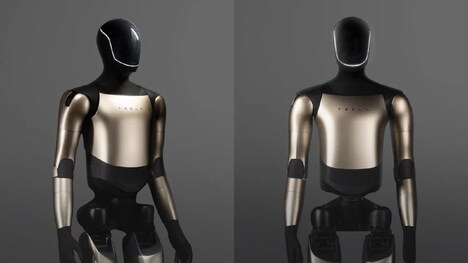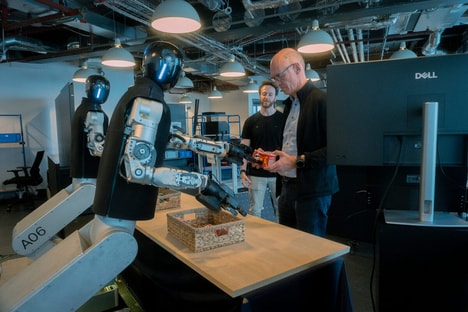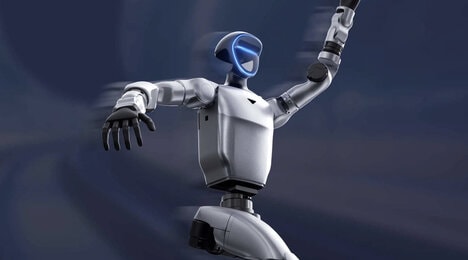
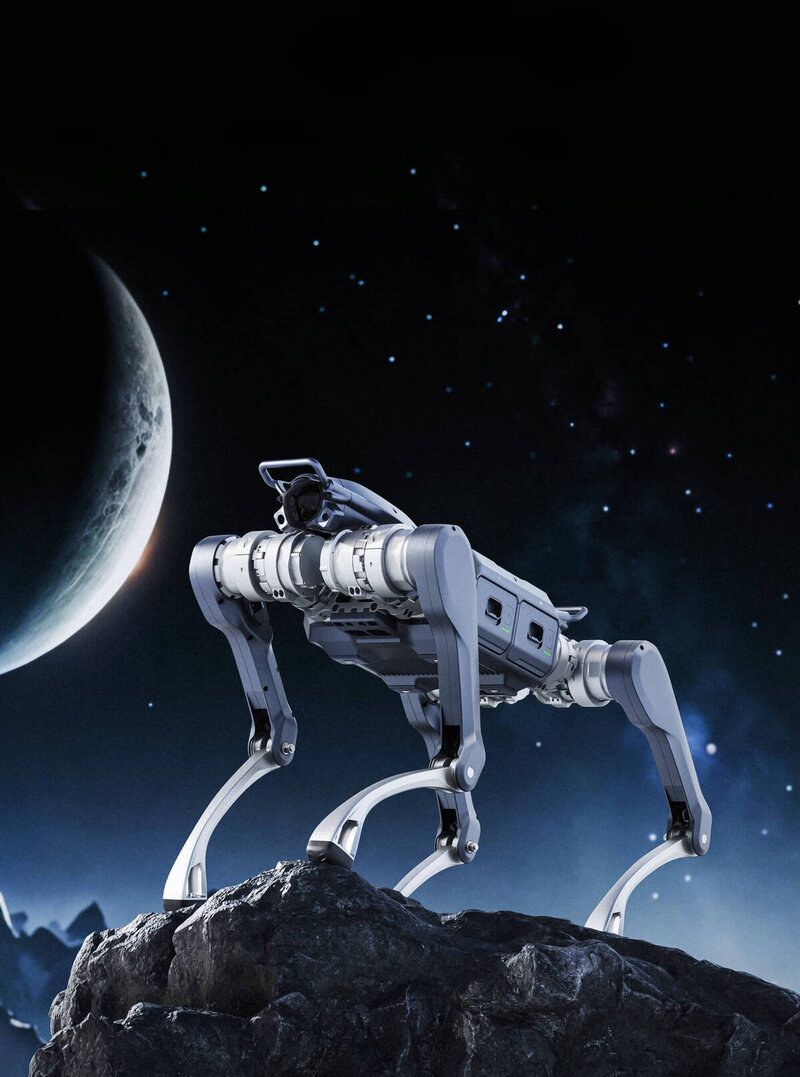
Unitree Robotics outlined a next-stage push for humanoid machines following its Shanghai market debut, with founder Wang Xingxing describing a potential “ChatGPT moment” for robotics. He defined that milestone as a robot being placed in an unfamiliar home and completing about 80% of tasks through text or voice commands alone, potentially within two to 10 years.
Wang said current limitations include weak task generalization and fine-motion precision, with robots able to plan broad movements but struggling with the final centimeters or millimeters. Unitree is pursuing a “self-evolving development loop” in which AI models write and test robot control code, score the results and feed those outcomes back into subsequent iterations.
For the broader robotics market, the roadmap highlights how consumer-facing humanoids still depend on more reliable general-purpose performance. If achieved, self-improving control systems could accelerate practical deployment and expand the role of embodied AI in everyday environments.
Image Credit: Unitree Robotics
Why This Trend Is Growing
- Self-evolving Robotics
- AI-driven control loops that generate, test and refine robot code create openings for faster autonomy gains and more scalable product development.
- Home Humanoid Assistants
- General-purpose robots capable of completing household tasks through voice or text commands signal a shift toward consumer-ready embodied AI platforms.
- Fine-motion Automation
- Improved millimeter-level precision in robotic movement could unlock new use cases in domestic care, maintenance, assembly and delicate object handling.
Industries Being Reshaped
- Consumer Robotics
- The pursuit of adaptable humanoid machines positions household automation as a major frontier for AI-enabled hardware and service ecosystems.
- Artificial Intelligence
- Embodied AI systems that learn through physical trial, scoring and iteration extend software intelligence into real-world task execution.
- Smart Home Technology
- Voice-controlled robots integrated into unfamiliar living spaces could reshape connected-home platforms around autonomous assistance rather than passive device control.