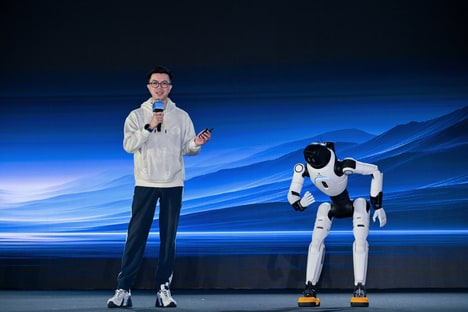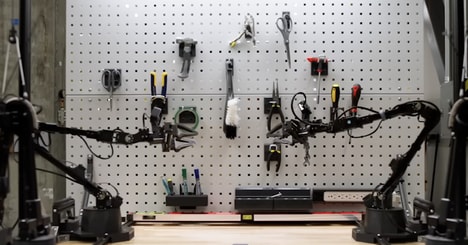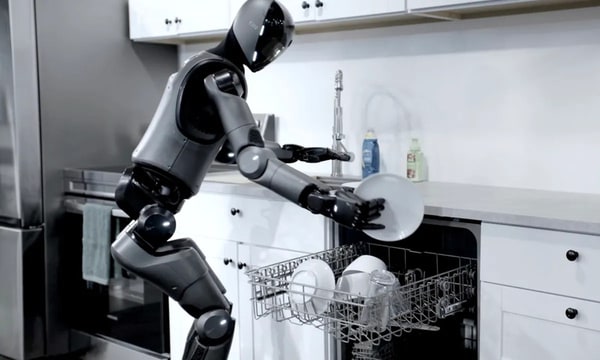
Embodied AI robotics are becoming a major focus for technology companies pursuing more advanced real-world artificial intelligence systems. Meta recently acquired humanoid robotics startup Assured Robot Intelligence (ARI), a company developing foundation models that allow robots to understand, predict and adapt to human behavior in dynamic environments. ARI’s work centers on humanoid systems capable of performing physical tasks such as household labor through self-learning and whole-body control. The acquisition strengthens Meta’s growing robotics ambitions while reflecting increasing industry interest in AI systems trained through physical interaction rather than digital data alone.
This shift toward humanoid robotics could influence industries ranging from household automation and logistics to manufacturing and personal assistance. Technology companies may increasingly invest in robotics startups as physical-world AI training becomes more important for developing advanced machine intelligence. The growing competition around humanoid systems also signals rising demand for scalable robotics platforms capable of operating in complex human-centered environments.
Image Credit: testing / Shutterstock.com
What Makes This Trend Stand Out
- Humanoid Foundation Models
- A convergence of large-scale perception and decision models for humanoid forms enables systems that generalize across diverse human-centric tasks, creating potential for versatile robotic platforms.
- Physical-world Training
- Training AI through embodied interaction rather than solely digital datasets is producing models with improved robustness and contextual understanding in messy, real-world environments.
- Whole-body Control and Self-learning
- Advances in coordinated motor control and on-device self-improvement are yielding robots that progressively expand their capabilities through continuous physical practice.
Sectors Adopting This
- Household Automation
- Robots with humanoid form factors and adaptive behavior models are positioned to transform home chores and in-home care by interacting safely and intuitively with people and objects.
- Logistics and Warehousing
- Embodied AI systems capable of human-like manipulation and navigation could reshape order fulfillment and last-mile operations in dynamic warehouse environments.
- Manufacturing and Personal Assistance
- Integration of whole-body control robots into production lines and frontline service roles promises flexible task sharing between humans and machines in complex assembly and assistance scenarios.