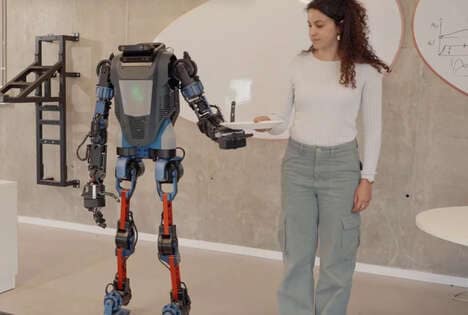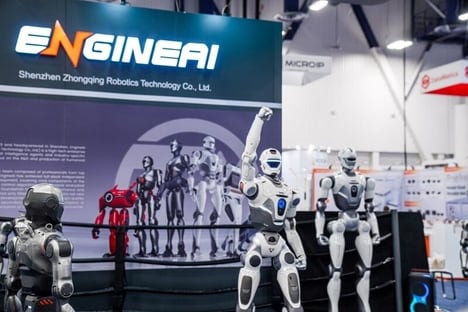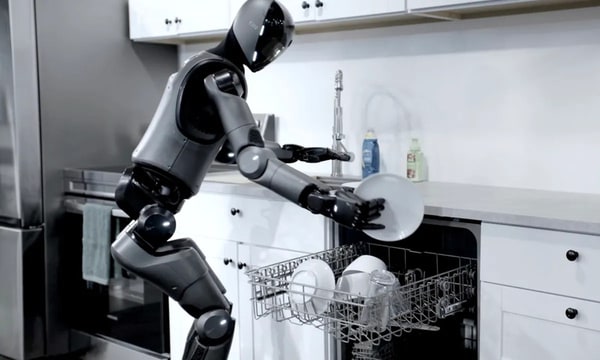

Mobileye announced a planned acquisition of Israeli startup Mentee Robotics in a deal valued at about $900 million, aligning its autonomous driving expertise with next-generation humanoid robots. The move focused on “physical AI,” a term the companies use for robots that can understand, navigate, and interact safely in human-centered environments. If completed, Mentee will operate as an independent business unit within Mobileye, giving the automotive AI leader a dedicated robotics arm.
The collaboration aimed to merge Mobileye’s autonomy stack—including multimodal perception, world modeling, and intent-aware planning—with Mentee’s humanoid platform. Mentee’s system emphasized simulation-first training, few-shot learning, and what it calls human-to-robot mentoring, where robots learn tasks from a small number of human demonstrations instead of massive data collection. The roadmap includes proof-of-concept pilots for humanoid robots this year, with broader commercialization targeted around 2028, subject to regulatory approvals and deal closure.
Why This Trend Is Growing
- Physical AI Integration
- The development of 'physical AI' marks a notable trend, as it integrates intelligent systems with humanoid robots to navigate in human-centered environments.
- Simulation-first Training
- Simulation-first training techniques in robotics pave the way for efficient learning models, reducing reliance on large datasets and improving adaptability.
- Human-to-robot Mentoring
- Human-to-robot mentoring represents a shift in teaching methodologies where robots learn complex tasks from limited human demonstrations.
Industries Being Reshaped
- Autonomous Robotics
- The autonomous robotics industry is poised for transformation by merging driving autonomy technologies with humanoid robotic capabilities.
- Artificial Intelligence
- Artificial intelligence advancements open new horizons for creating robots capable of intent-aware and interaction-focused functions.
- Human-machine Interaction
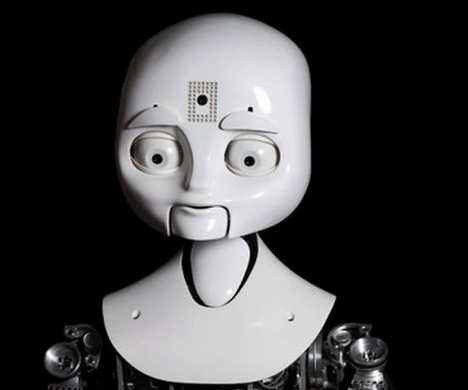
- Human-machine interaction is evolving through innovative learning frameworks that enhance robots' understanding of human emotions and actions.