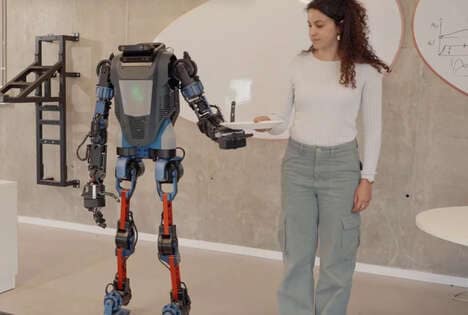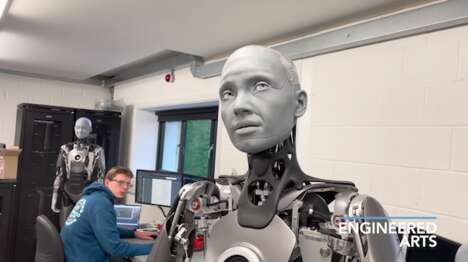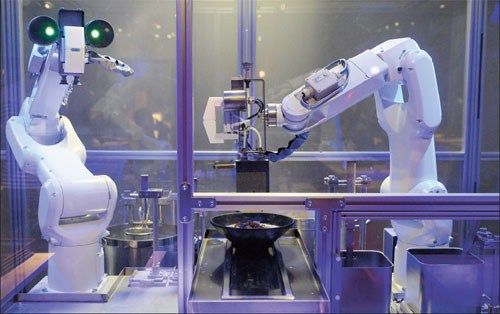
Researchers at the Institute for Simulation and Training at the University of Central Florida are developing mechanical robotic humanoids which could be used for military training. The initiative is part of a program by the Office of Naval Research to create remotely controlled robots and avatars for military training.
With this technology, military trainers will be able to use artificial intelligence, voice modulation and head-tracking software to control multiple surrogates and switch between different characters and sites.
The development of these robotic humanoids goes to show that technology can always be leveraged to reduce costs and time taken to complete a particular task, especially if it is difficult to find people with the knowledge and experience to perform that specific task.
What Makes This Trend Stand Out
- Remote-controlled Robots
- The development of remote-controlled robots for military training presents disruptive innovation opportunities for the defense industry.
- Artificial Intelligence in Military Training
- Integrating artificial intelligence into military training robots opens up opportunities for more realistic and immersive training experiences.
- Voice Modulation and Head-tracking Software
- The use of voice modulation and head-tracking software in controlling robotic humanoids offers innovative possibilities for effective and adaptable training scenarios.
Sectors Adopting This
- Defense
- The defense industry can leverage remote-controlled robots and AI-enhanced training to improve the efficiency and effectiveness of military personnel preparation.
- Robotics
- The development of robotic humanoids for military training underscores the potential for advancements in the robotics industry for specialized applications.
- Software Development
- The integration of voice modulation and head-tracking software in military training robots presents software developers with opportunities to enhance user control and customization.