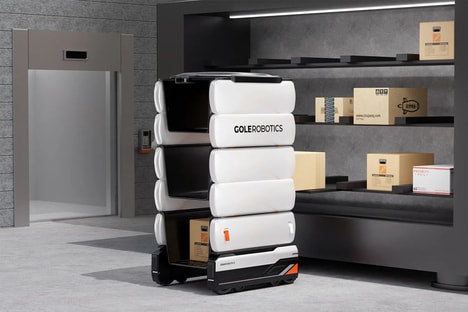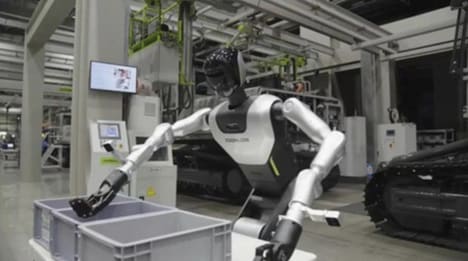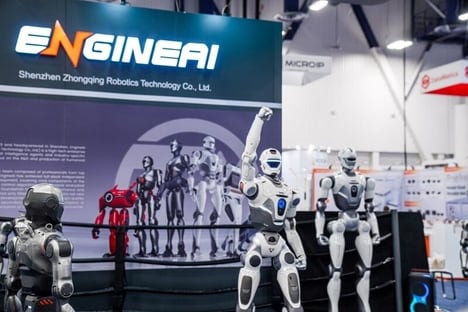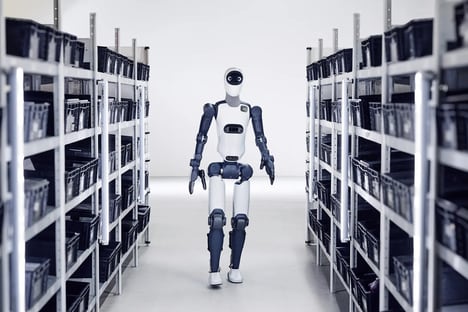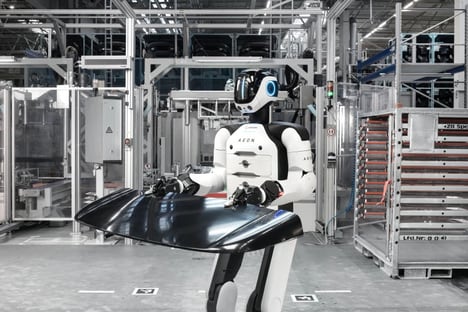
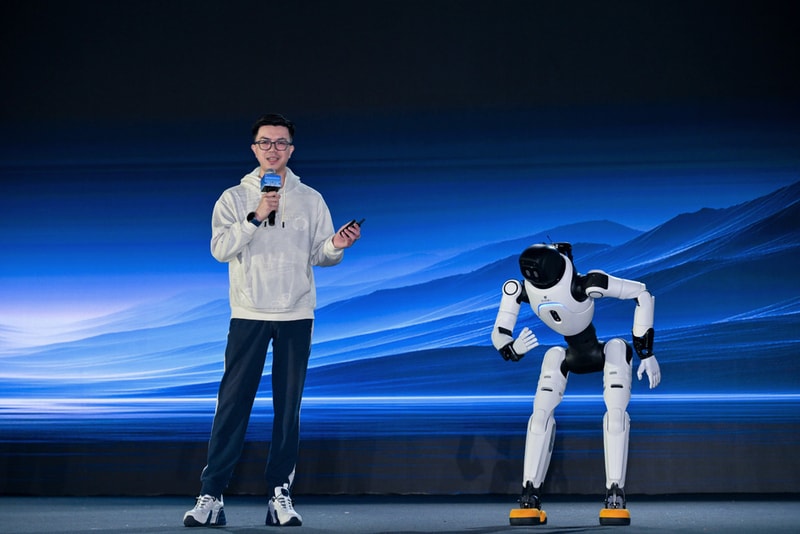
Embodied AI production systems are reshaping how organizations deploy automation by combining robotics, data, and intelligent models into real-world operations. AGIBOT is advancing this shift by developing integrated platforms where robots, simulation environments, and AI models work together to perform tasks across industries like retail, logistics, and inspection. These systems are designed not just for experimentation, but for scalable, real-world use, enabling machines to learn from continuous data and improve performance over time.
For businesses, this signals a move toward AI as physical infrastructure rather than purely digital tools. Companies can increase efficiency, reduce reliance on manual labor, and streamline complex workflows through adaptive robotic systems. It also creates opportunities for new service models and operational strategies built around autonomous capabilities. As adoption grows, organizations that invest in these systems early may gain a competitive advantage in speed, scalability, and operational resilience.
Image Credit: AGIBOT
What's Driving This Trend
- Embodied AI Production
- Represents the transformation of AI into physical infrastructure that integrates robots, data, and models for scalable, real-world operations, creating opportunities to redesign service and operational models.
- Continuous Learning Robotics
- Characterized by systems that improve performance from continuous data streams, enabling long-term adaptation and reduced reliance on manual tuning.
- Simulation-to-reality Transfer
- Involves integrated simulation environments and real robots that close the gap between virtual training and deployment, supporting faster scaling of autonomous capabilities across environments.
Who This Affects Most
- Retail Automation
- A sector where adaptive robots can handle inventory, customer assistance, and shelf replenishment, shifting store operations toward autonomous, data-driven infrastructure.
- Logistics and Warehousing
- Encompasses fulfillment centers that could leverage embodied AI to optimize picking, routing, and dynamic space utilization for higher throughput and resilience.
- Inspection and Maintenance
- Includes industrial inspection tasks where autonomous systems can continuously monitor equipment and environments, reducing downtime through predictive, model-driven assessments.