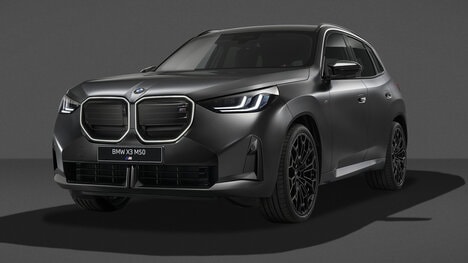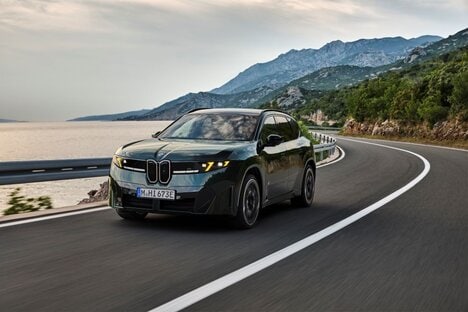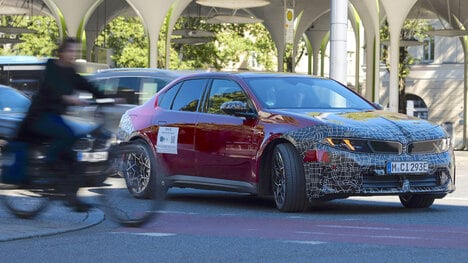
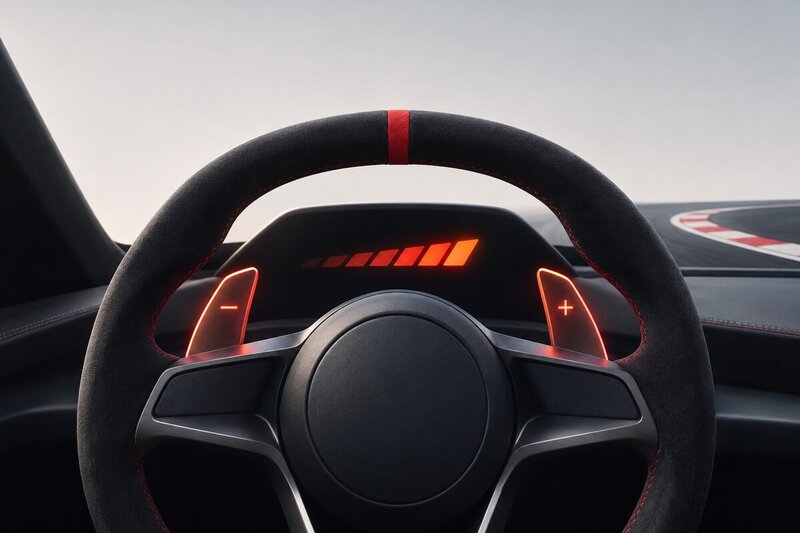
BMW is fitting the upcoming i3 M60 with Stages, a staged shifting function that lets performance EV drivers use steering-wheel paddles for a more involved drive. The feature arrives when the new i3 reaches buyers next year after BMW engineers tried Hyundai's Ioniq 5 N, which mimics an eight-speed dual-clutch gearbox.
BMW reserves Stages for M Performance trims, and the i3 M60 is the only confirmed version so far. That limit follows the hardware, because the performance models get physical paddles and the others currently do not.
Restricting Stages to the i3 M60 turns driver engagement into a trim-level differentiator instead of a lineup-wide extra. Hyundai's earlier use of faux shifts already moved the idea past novelty, and BMW's adoption makes the feature easier to expect in future sporty EVs.
Image Credit: BMW
What's Driving This Trend
- Simulated Gear Shifting
- Software-defined transmission feel is becoming a premium EV feature, creating room for automakers to differentiate performance models through tactile driving emotion rather than mechanical complexity.
- Driver Engagement Software
- Digital driving modes that alter sound, torque delivery, and paddle response are expanding the value of in-car software into experiential performance personalization.
- Performance Trim Differentiation
- Exclusive engagement features tied to higher trims are reshaping EV upselling strategies by making emotional driving cues a luxury-tier attribute.
Who This Affects Most
- Electric Vehicles
- Battery-powered performance cars are gaining new competitive dimensions as brands use software to recreate familiar combustion-era sensations.
- Automotive Software
- Embedded vehicle platforms are enabling simulated drivetrain behaviors that can be updated, packaged, and monetized across model variants.
- Performance Automotive
- Sport-focused manufacturers are redefining track-ready appeal through digital feedback systems that blend electric acceleration with analog-inspired control.