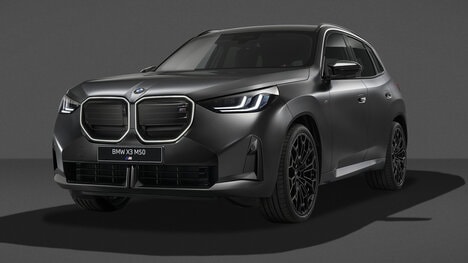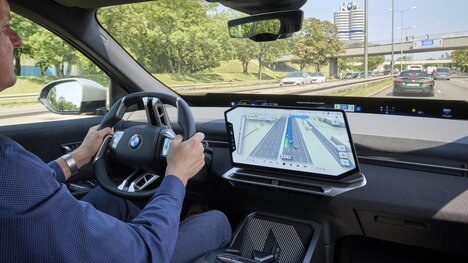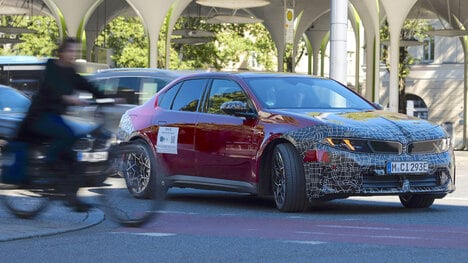
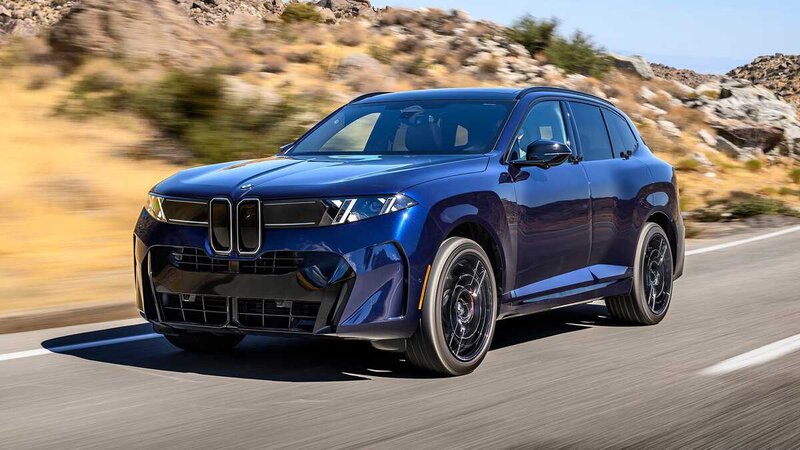
BMW has overhauled the X5 with a Neue Klasse redesign, adding an all-electric version for luxury-SUV drivers while keeping a gas-powered version. The latest X5 also drops the familiar gauge binnacle for a dash-wide display and a central screen, leaving only a small set of physical controls.
A squared steering wheel with yoke-like grips pushes the cabin further from earlier X5 layouts. BMW also fits its Heart of Joy zonal architecture, which links the vehicle's systems and powers Highway & Commuting Assistant, letting drivers travel without holding the wheel at up to 85 mph on highways or around town.
The Heart of Joy turns software into a buying factor in a class long judged on engines and ride quality. Keeping gas and electric versions in one family also broadens the X5's appeal without pushing buyers toward a single drivetrain.
Image Credit: BMW
What's Driving This Trend
- Software-defined Luxury
- Premium vehicle differentiation is shifting toward zonal architectures, connected displays, and upgradeable driving features that make embedded software as influential as horsepower or materials.
- Dual-drivetrain Platforms
- Offering electric and gas variants within one model family creates room for flexible product strategies that serve hesitant EV buyers while preserving brand continuity.
- Hands-free Commuting
- High-speed and urban driver-assistance systems are turning routine travel into a premium convenience feature, reshaping expectations for safety, comfort, and productivity inside SUVs.
Who This Affects Most
- Luxury Automotive
- Established premium automakers face new openings to redefine status through digital interiors, automated driving capability, and propulsion choice rather than traditional performance cues alone.
- Mobility Software
- Zonal computing, driver-assistance logic, and cabin operating systems are expanding the role of software suppliers in vehicle value creation and long-term customer engagement.
- Electric Vehicles
- The integration of EV options into familiar SUV lineups reduces adoption friction and supports broader market migration without requiring buyers to abandon established model identities.