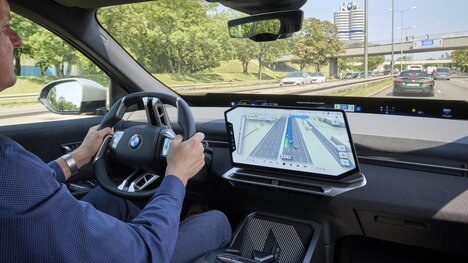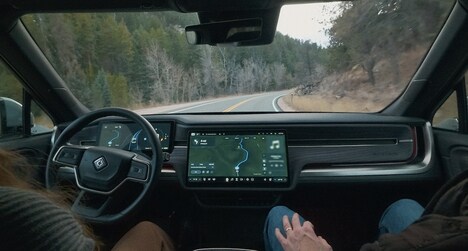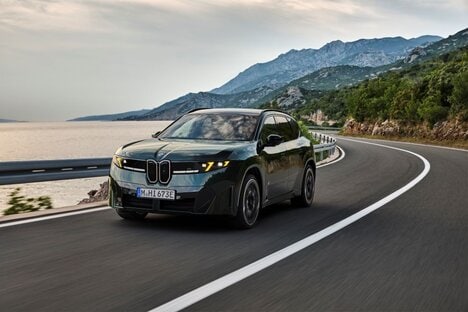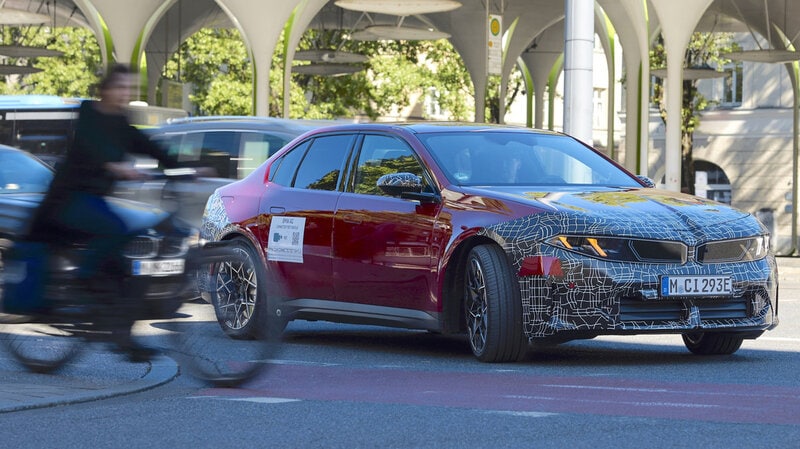
Navigation-guided urban driving is advancing as BMW prepares to introduce partially automated assistance across city streets in Germany starting in 2027. Unlike systems focused primarily on highways, the technology combines BMW Maps with driver assistance to support turning, lane changes, roundabouts, and right-of-way situations. Drivers must remain attentive and responsible throughout operation.
The system incorporates BMW Symbiotic Drive, allowing motorists to steer, accelerate, or brake while assistance remains active. BMW Panoramic iDrive also presents navigation guidance, surrounding traffic information, and system activity through an integrated display. Required hardware will come standard across several BMW models, with features activated through software updates.
For BMW, this approach could expand access to advanced driving assistance while supporting software-based feature activation after vehicle purchases. Its planned availability across multiple models also creates opportunities to standardize capabilities, subject to regulatory approval.
Image Credit: BMW
What Makes This Trend Stand Out
- Navigation-led Autonomy
- Urban driving systems that fuse maps, route intent, and assistance functions create space for differentiated mobility experiences beyond highway-focused automation.
- Software-activated Vehicles
- Post-purchase feature enablement expands the role of connected car platforms as automakers monetize standardized hardware through digital upgrades.
- Human-centric Automation
- Shared-control interfaces that keep drivers engaged while assistance remains active point to new models for trust, safety, and gradual autonomy adoption.
Sectors Adopting This
- Automotive
- Premium and mass-market vehicle manufacturers can reshape competitive positioning by embedding scalable driver-assistance hardware across model lines.
- Mobility Technology
- Mapping, sensing, and in-car software providers gain relevance as city-level driving support depends on precise navigation and contextual traffic intelligence.
- Insurance
- Driver responsibility within partially automated city systems introduces new opportunities for usage-based risk models tied to assistance activity and urban driving behavior.