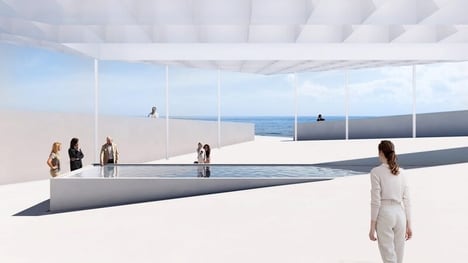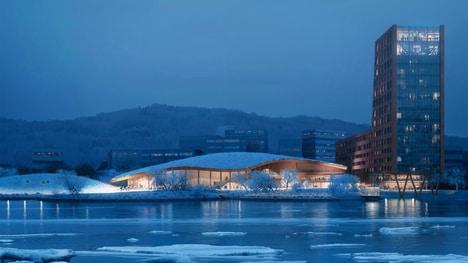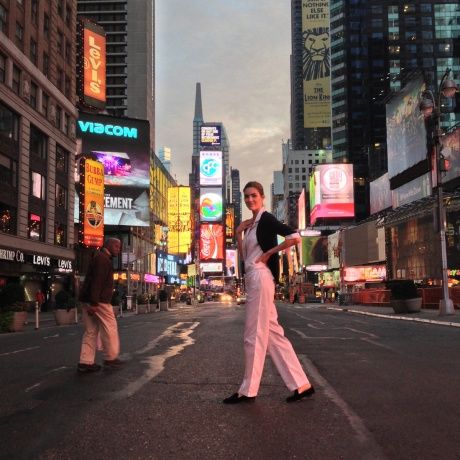
Norwegian architecture firm Snøhetta has been working on a new Times Square design since about 2009, with a focus on making it more pedestrian-friendly. The $55 million project will span from 42nd to 47th Street and rid the areas of any automotive traffic. The project is still ongoing, but the areas between 42nd and 43rd Street were made ready for the 2013 New Year’s Eve celebrations.
Some of the new features of the pedestrian plaza include flooring slabs with tiny metal disks embedded in them, which reflect the glow of the neon billboards. As well, its efforts to make the area more pedestrian-friendly have driven huge numbers of people by foot to local businesses and reduced traffic-related injuries by 33%.
It is estimated that Snøhetta’s entire project will come to a close in 2016.
What Makes This Trend Stand Out
- Pedestrian-focused City Planning
- Cities and urban areas are embracing pedestrian-only zones as a way to create safer, more sustainable, and attractive public spaces
- Car-free Zones
- The elimination of automotive traffic in certain city areas is a growing trend that allows for more sustainable and environmentally friendly urban planning
- Public Space Design
- Designers are creating public spaces that promote social interaction, well-being, and enjoyment for everyone, while also contributing to environmental sustainability and economic growth
Sectors Adopting This
- Urban Planning
- Offering services related to the design and development of pedestrian-friendly city centers and car-free zones can be a lucrative business opportunity for urban planning firms
- Real Estate Development
- Real estate developers can benefit from creating sustainable, pedestrian-friendly urban spaces that promote social interaction and support local businesses
- Tourism and Hospitality
- Creating and promoting pedestrian-only zones can boost the tourism industry and create new business opportunities for restaurants, cafes, and other hospitality ventures