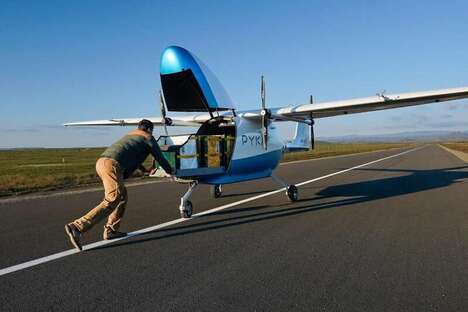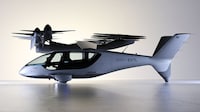
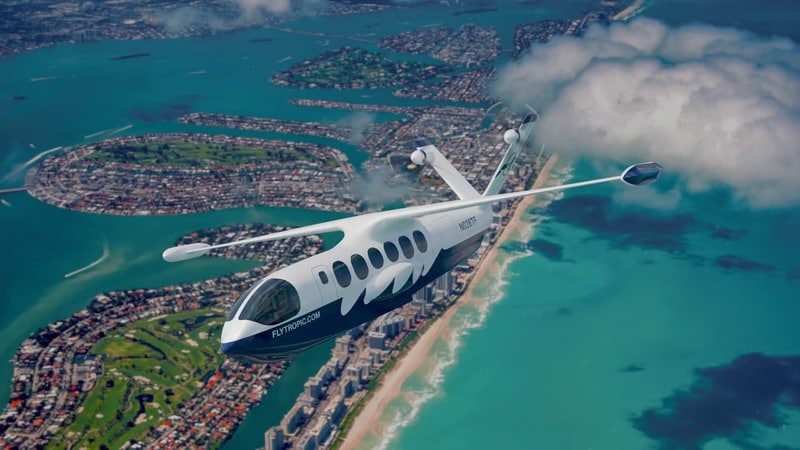
Tidal Flight has signed a Letter of Intent with Tropic Ocean Airways, which will see the company incorporating 20 Polaris seaplanes as a way to provide seamless transportation in an efficient way for travelers. The seaplanes are characterized by their hybrid-electric engine that's projected to provide 85% better fuel efficiency than alternatives to give air transportation a sustainable edge. The plane measures in with a 59-foot wingspan and a takeoff weight of 12,500-pounds.
Founder and CEO Rob Ceravolo spoke on Tidal Flight saying, "Tidal’s quiet, comfortable, hybrid-electric aircraft helps us deliver on our sustainability goals while offering a superior product to our customers and without compromising on range, payload, or cruise speed. Polaris brings a legitimate improvement to our revenue generation capability and reduction in operating costs, rather than compromising on the business case to accommodate electrification."
Image Credit: Tidal Flight
What's Driving This Trend
- Hybrid-electric Aviation
- Hybrid-electric engine technology represents a transformative advancement for reducing carbon emissions and enhancing fuel efficiency in air transportation.
- Sustainable Air Travel
- Seaplanes like the Polaris are leading the charge in making air travel more sustainable by offering a greener alternative to traditional aviation.
- Efficient Regional Connectivity
- With significant improvements in noise reduction and operational efficiency, hybrid-electric seaplanes can optimize regional air routes.
Who This Affects Most
- Aerospace and Aviation
- The aerospace sector is witnessing a paradigm shift as it embraces hybrid-electric propulsion to meet environmental and economic demands.
- Travel and Tourism
- Tourism operators are increasingly adopting eco-friendly seaplanes, transforming the industry with sustainable travel solutions.
- Renewable Energy Integration
- The integration of renewable energy in aircraft propulsion systems is laying the groundwork for an energy-efficient future in aviation.