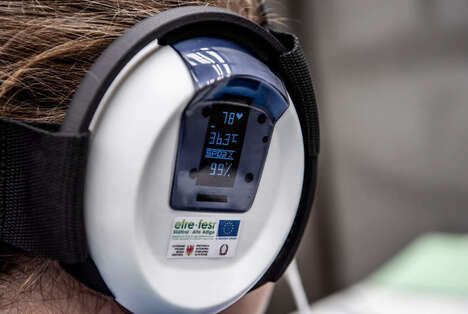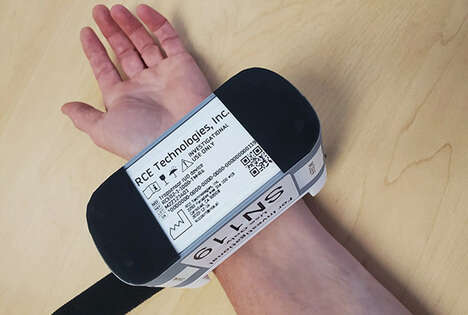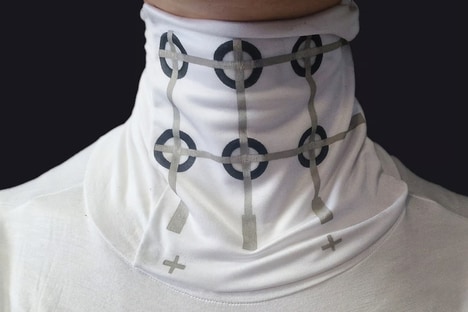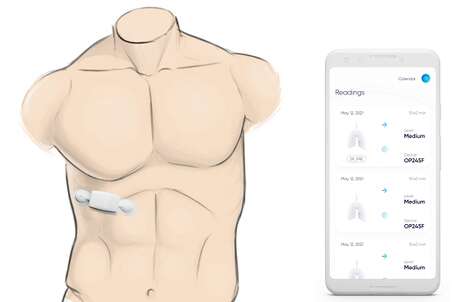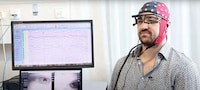
It can be quite difficult to assess a patient's progress after they have returned home after a stroke, so this throat sensor has been developed as a simple way to provide vital information to healthcare professionals.
The sensor works by being affixed onto the throat and tracking data pertaining to muscle movement, heart activity, swallowing ability, sleep quality and speech patterns. This information can be relayed to doctors and healthcare providers to ensure that patients are on the road to recovery to limit the occurrence of complications that can take place after a stroke.
The throat sensor was developed by a team of researchers at Northwestern University and identifies what can be done to further increase efficiency in the healthcare industry when it comes to common health problems.
Image Credit: Elliott Abel/Shirley Ryan AbilityLab
Why This Trend Is Growing
- Stroke Rehabilitation Technology
- Developing sensors and wearables to help patients recover from stroke and provide healthcare professionals with valuable data to monitor recovery progress
- Remote Health Monitoring
- The development of sensors and wearables that allow healthcare professionals to monitor patients' recovery progress remotely
- Biometric Sensors
- The use of sensors to track vital signs and other health metrics to enable personalized treatment plans for stroke patients
Industries Being Reshaped
- Healthcare Technology
- Developing and marketing sensors and wearables that can aid in stroke recovery and improve patient outcomes
- Remote Patient Monitoring
- Creating technology to monitor patients after they leave the hospital and alert healthcare professionals to any changes in condition or potential complications
- Medical Devices & Sensors
- Investing in research and development of sensors and biometric devices that can provide valuable data to healthcare professionals and improve patient care