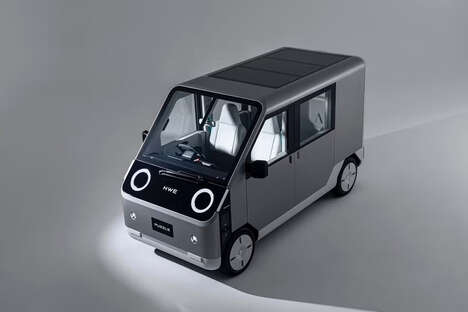
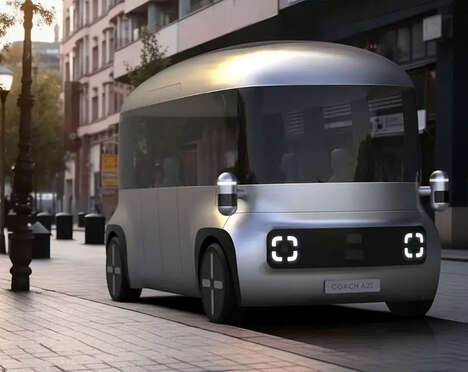
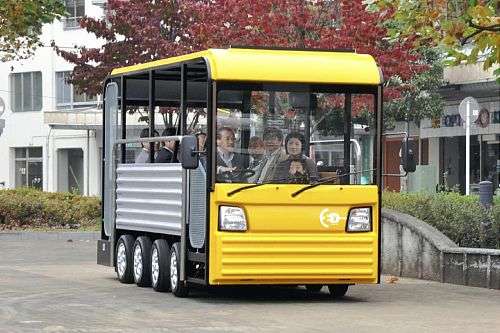
Electric vehicle are starting to pop up around the world slowly but steadily, the latest one being the E-KomiBus. A tiny form of public transportation, it only boasts a top speed of 12 mph, which makes it suitable for back alleyways, not well-traveled bus routes.
Developed by researchers at the Gunma University Department of Engineering in Japan, led by Professor Takarada Yasuyuki, the E-KomiBus is rather adorable, with a cute nickname (MAYO) to boot. This cuteness stems from the fact that it measures only 173 inches long, which is actually shorter than a 2012 Honda Civic. Despite it's petite size, this mini bus is equipped with solar panels and lithium ion batteries.
Key Themes Behind This Trend
- Electric Vehicle Adoption
- The rise of mini electric coaches like the E-KomiBus presents an opportunity for increased adoption of electric vehicles for public transportation.
- Micro-mobility Solutions
- The development of tiny, low-speed electric buses opens up possibilities for micro-mobility solutions in urban areas, especially in back alleyways and small bus routes.
- Sustainable Transportation
- The integration of solar panels and lithium ion batteries in the E-KomiBus showcases a trend towards sustainable transportation options in the industry.
Where This Applies
- Public Transportation
- The E-KomiBus highlights potential for innovation and advancement in the public transportation sector, providing a glimpse into the future of urban mobility.
- Electric Vehicle Manufacturing
- The emergence of mini electric coaches creates new opportunities for manufacturers to expand their product offerings and tap into the growing market for electric vehicles.
- Renewable Energy
- The integration of solar panels in the E-KomiBus indicates potential growth in the renewable energy industry as it becomes increasingly utilized in transportation solutions.