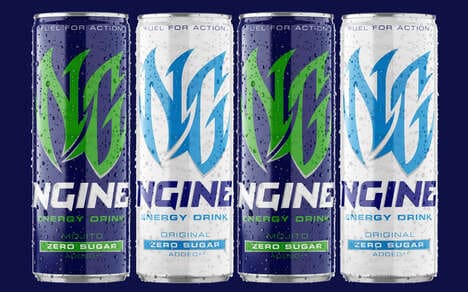
Similar to the United States, Great Britain is experiencing a public health problem due to rising obesity rates, which is why some are suggesting a tax on sugary drinks. The "bold and urgent" measure is designed to address the over-consumption of sugar and resulting fatness of English children.
Despite opposition from the food industry, many members of parliament are supporting the potential tax on sugary drinks. The Commons' Health Committee recently released a report that not only calls for a sugar-sweetened drink tax (although the government is not necessarily in favor), but also asks for a crackdown on sales relating to unhealthy food items, stricter marketing controls, only advertising unhealthy food on television after 9pm and clearer labelling amongst other measures.
Other states have successfully implemented similar taxes, such as Mexico.
Why This Trend Is Growing
- Sugar-sweetened Drink Taxes
- Opportunity for innovative taxation strategies aimed at reducing the over-consumption of sugary beverages and addressing obesity rates.
- Strict Marketing Controls
- Potential for disruptive technologies or strategies that limit the advertising of unhealthy food items, particularly targeting children.
- Clearer Food Labelling
- Opportunity for innovative labeling solutions that provide clearer information on the nutritional content of food and beverages.
Industries Being Reshaped
- Food and Beverage
- Industry players can explore healthier product alternatives and marketing strategies to align with changing consumer preferences and regulatory pressures.
- Telecommunications
- Telecom companies can capitalize on the opportunity to provide healthier food advertising solutions during prime time and after 9pm.
- Packaging and Labeling
- Packaging and labeling companies can develop innovative solutions to help food manufacturers comply with stricter labeling requirements and meet consumer demands for transparency.