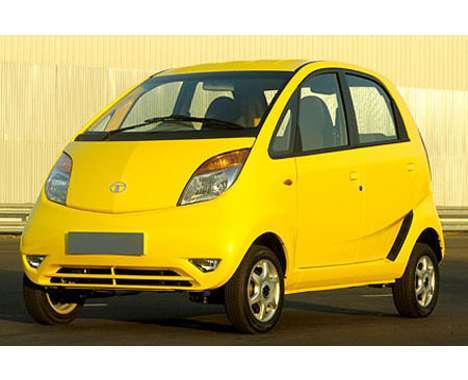
The long-awaited, much-delayed Tata Nano, the cheapest car in the world, will hit the streets in July 2009. Expectations are that the 100,000 rupee ($1,980) car will be a smash when the affordable auto starts to ship.
There are currently so many orders for the TaTa Nano that purchasers will be randomly selected between 4/9 and 4/25 in India. A European model will be launched by 2011, while the U.S. will be impatiently waiting.
The TaTa Nano was announced over a year ago, but hit production delays. There is concern that the Nano will only add to India’s already choking environmental problems.
What Makes This Trend Stand Out
- $2,000 Cars
- The development and success of the TaTa nano highlights a growing trend towards affordable cars in emerging markets.
- Urbanization
- As more people move to cities in emerging markets, there is an opportunity to innovate affordable transportation solutions like the TaTa Nano.
- Electric Cars
- The concerns over India's environmental problems creates an opportunity for disruptive innovation in the development of electric cars like the TaTa Nano.
Sectors Adopting This
- Automotive Industry
- The success of the TaTa Nano highlights the need for affordable cars, creating an opportunity for innovation in manufacturing and distribution processes, particularly in emerging markets.
- Electric Vehicle Industry
- India's environmental problems create opportunities for disruptive innovation in the electric vehicle industry, particularly through the development of affordable and energy-efficient cars like the TaTa nano.
- Logistics and Transportation
- Innovations in logistics and transportation are crucial for the successful distribution and delivery of affordable cars like the TaTa Nano to emerging markets like India.