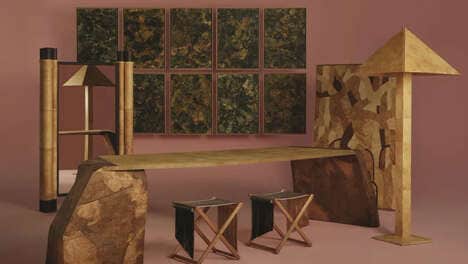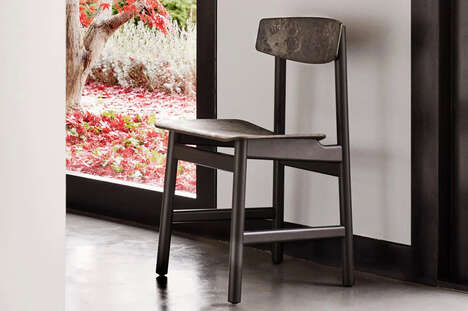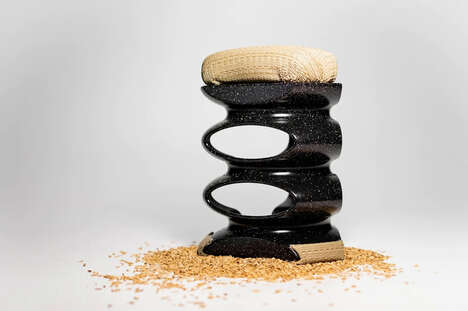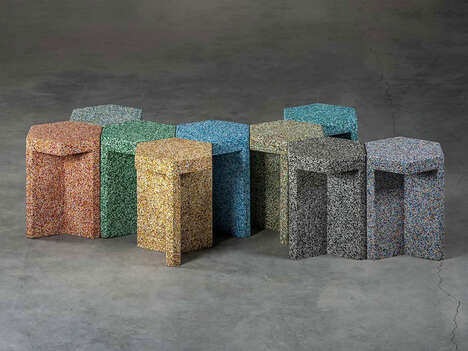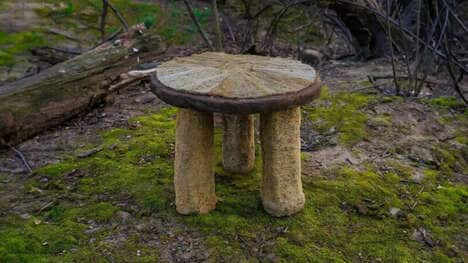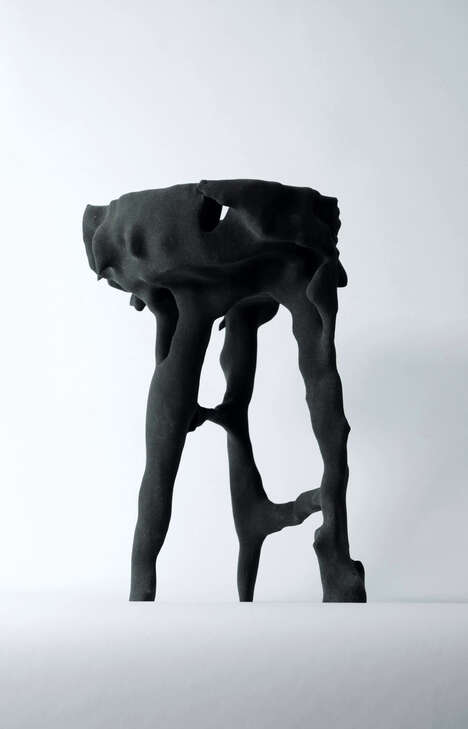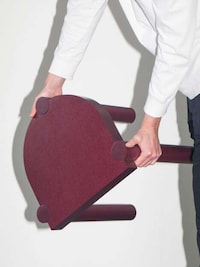


There are very few times in life when telling a designer that their furniture is crap wouldn't be seen as an insult, but this is actually something you can tell British-based design student Sanelisiwe Mafa to her face without hurting her feelings, because she took the unique step of designing a range of sustainable furniture using cow poop as one of the core materials.
Mafa's sustainable furniture makes use of a special blend of cow manure and binding material to create a substance capable of being shaped into an array of forms.
It's important to state that Mafa's poop-derived furniture isn't just some novelty creation, but is eco-friendly because it makes use of a widely available renewable resource, making this a fine example of furniture design pushing the boundaries in search of sustainable style.
Key Themes Behind This Trend
- Sustainable Furniture Design
- The use of unconventional, eco-friendly materials such as cow manure to create furniture presents opportunities for sustainable furniture design in the market.
- Renewable Resources
- Utilizing renewable resources as furniture materials presents opportunities for other industries to explore the use of unconventional materials to create new products.
- Circular Economy
- The production of furniture from waste materials presents opportunities for companies to create new products and revenue streams within the circular economy model.
Where This Applies
- Furniture
- The furniture industry can explore sustainable designs by incorporating unconventional, eco-friendly materials and promote circular economy by creating new products from waste materials.
- Agriculture
- The agriculture industry can explore opportunities to use cow manure as a valuable resource for product development in various industries including furniture and construction materials.
- Sustainability
- Mafa's design highlights opportunities in the sustainability industry to explore unconventional materials and advance sustainable design.