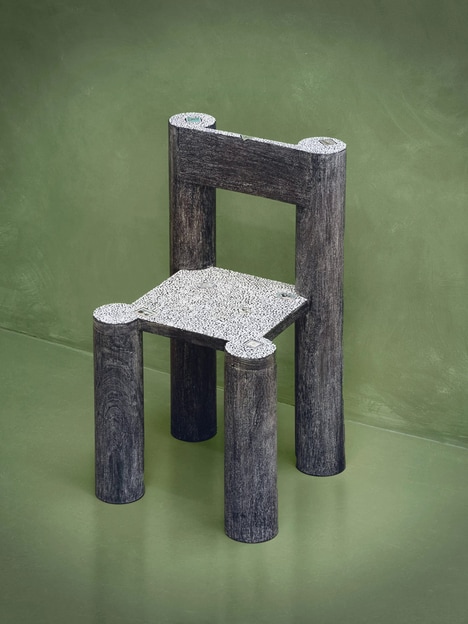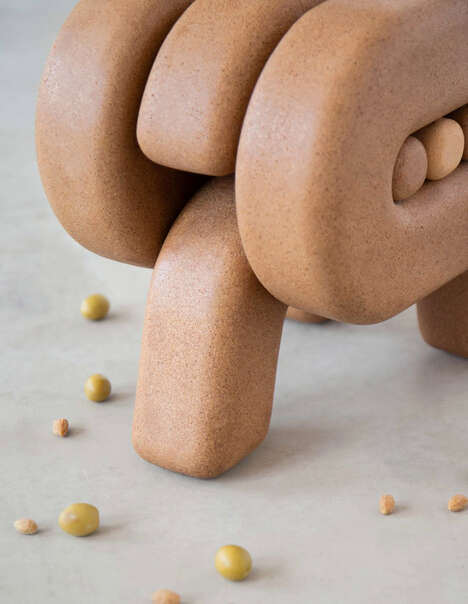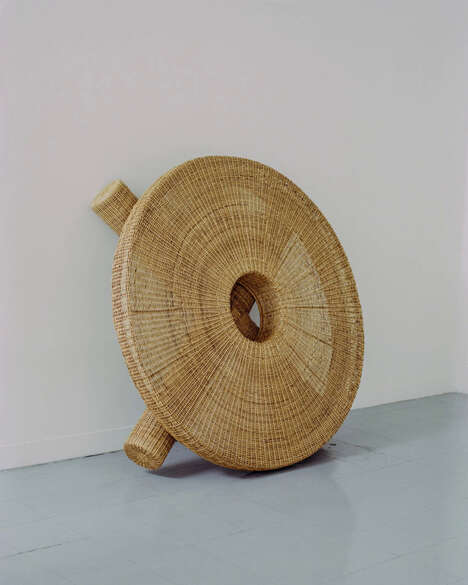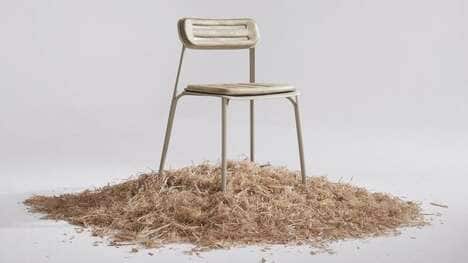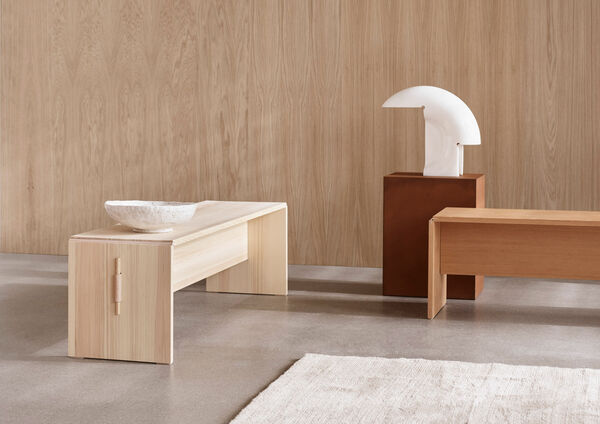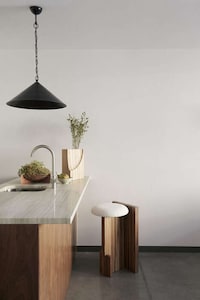
Embracing the concept of sustainability—a principle that is crucial for companies, designers, and architects to adopt—Nataša Perković debuts a furniture collection made from palm oil byproduct, turning something that was deemed to be an "environmental nuisance" into a tool that promotes sustainability.
The extraction of oil from oil palm leaves a large amount of unused fiber which is either burned for energy or left as a fertilizer. However, Nataša Perković maintains that there are much better ways to utilize palm oil byproducts. In this project, the Bosnian designer launches a stackable chair, three plates, and a pendant lamp while "using as little material as possible." Nataša Perković and her team also relied on "low-tech production methods" for the collection.
Image Credit: Tomomi Takano
What's Driving This Trend
- Sustainable Furniture Design
- The use of byproducts and low-tech production methods creates an opportunity for designers to create sustainable furniture collections.
- Circular Economy Solutions
- By using unused materials and turning them into usable products, this trend promotes circular economy solutions in the furniture industry.
- Waste-to-product Innovations
- Transforming waste byproducts into new products presents an opportunity for innovative solutions in various industries, including furniture design.
Who This Affects Most
- Furniture Design
- Furniture designers can benefit from developing sustainable pieces that use byproducts as a way to reduce waste.
- Sustainability Consulting
- Consulting firms that specialize in sustainability can use this trend as a case study to encourage other businesses to adopt circular economy solutions.
- Agriculture and Manufacturing
- The palm oil industry and manufacturing sector can examine the potential of waste-to-product innovations as a way to reduce waste and create sustainable solutions.