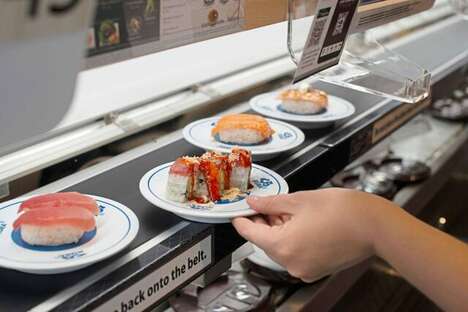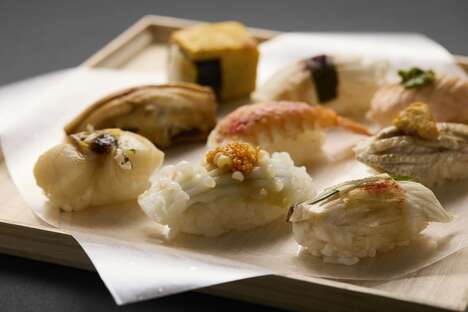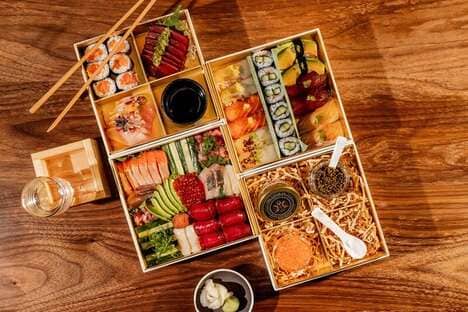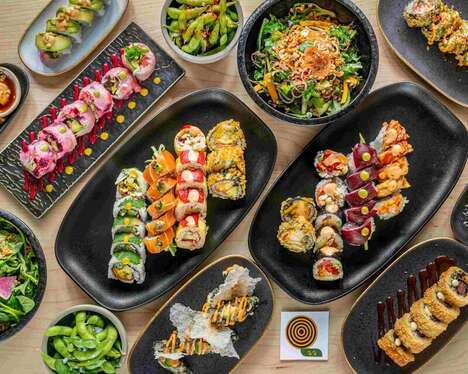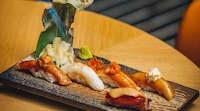

This infographic displays eight important sushi etiquette tips. Given the popularity of Japanese cuisine in North America and around the world, these fun facts will help you mind your manners the next time you feel inclined to indulge at a Japanese restaurant.
The guide discusses the order in which to enjoy different fish flavors, to optimize your eating experience. It covers chopstick rules, soy sauce dipping no-nos, the significance and purpose of ginger, helpful hints to overcome the dreaded wasabi overload, the perfectly timed miso soup, and the differences between tuna and fatty tuna (same fish, different parts of the body).
These sushi etiquette tips are a must-read for Japanese cuisine novices, and is a great refresher for those of us who are a little less informed on Japanese culture.
Key Themes Behind This Trend
- Sushi Etiquette
- Apps or AR tools that teach or provide reminders of sushi etiquette can help educate and guide novice sushi eaters.
- Cultural Sensitivity
- Businesses can promote cultural sensitivity training for their staff to help create a more welcoming environment for diverse customers and improve the overall customer experience.
- Food Tourism
- With the growing popularity of Japanese cuisine, tourism companies can develop sushi-centric tours that offer culinary experiences and educational opportunities about sushi etiquette.
Where This Applies
- Food and Beverage
- Restaurants can differentiate themselves and provide a unique experience for customers by incorporating sushi etiquette education into their service offerings.
- Technology
- AR/VR companies can develop tools or apps that provide interactive sushi etiquette education for a more engaging and immersive knowledge-sharing experience.
- Hospitality
- Hotels can offer sushi etiquette classes or partner with nearby restaurants to provide guests with unique cultural experiences and enhance their overall stay.