Following the advice of celebrity chef Jamie Oliver, Brighton and Hove is becoming the first city in the UK to impose a voluntary sugar tax on sweet soft beverages. Stores in the city are able to choose whether to impose the 10% tax or not, but many are encouraged as the money will go to a children's heath and food education fund.
The city council made this change after analyzing the high rates of obesity in the city and noting that £80 million went to diet-related diseases in 2012 alone. In addition to the sugar tax, the city is also ensuring there are healthy options in vending machines in government and health care buildings as well as food education in primary schools. Finally, a hashtag, #SugarSmartCity has been started to encourage bragging and sharing of healthy eating practices.
What Makes This Trend Stand Out
- Voluntary Sugar Tax
- More cities may follow Brighton and Hove's lead in implementing voluntary sugar taxes to fund health and education initiatives.
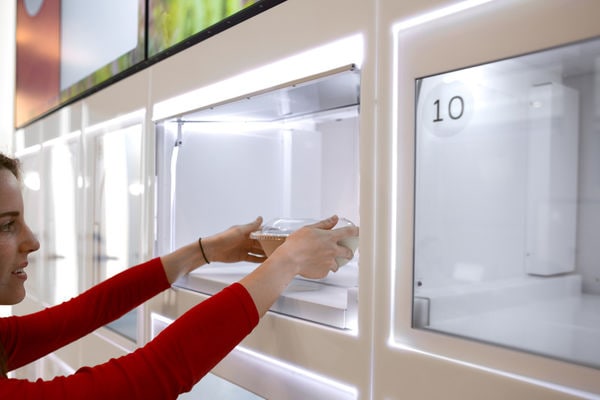
- Healthy Vending Machines
- The implementation of healthy vending machines in government and health care buildings is a growing trend driven by a desire for healthier snack options.
- Food Education in Schools
- Providing food education to children in primary schools may become a popular trend as more cities strive to combat obesity and promote healthy lifestyles.
Sectors Adopting This
- Beverage Industry
- The beverage industry may need to adapt to changes in consumer preferences and increased taxes on sugary drinks by offering healthier drink options.
- Healthy Snack Industry
- As more cities implement healthy vending machines, there is an opportunity for the healthy snack industry to grow and offer a wider variety of options.
- Education Industry
- The education industry may see opportunities for growth and innovation as more schools incorporate food education and healthy lifestyle programs into their curriculums.