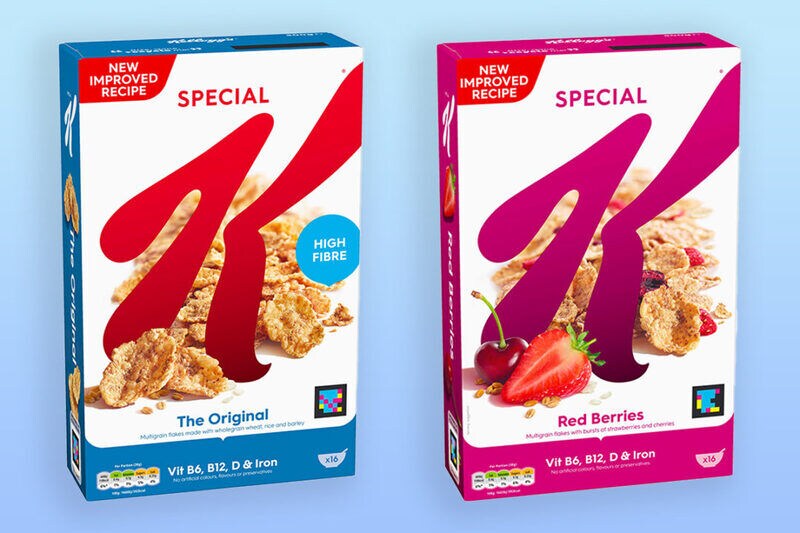
Kellogg's has released a new variation of its 'Special K' health-conscious cereal in the United Kingdom. The new recipe boasts a 20% reduction in salt content in each cereal flavor. This new flavor was created carefully to ensure that the recipe maintains the same taste as the original that fans are familiar with. This salt reduction is part of Kellogg's public commitment to reduce salt across several of its cereal brands in the U.K.
Kellogg's did not simply reduce salt in the recipe, though, as the brand has stated that it tried numerous different recipes before selecting its current one. When this recipe was tested, the majority of participants preferred the reduced salt variation to the original recipe, meaning the Special K brand will continue to succeed in the U.K market as it becomes healthier.
Image Credit: Kellogg's
What's Driving This Trend
- Reduced-salt Cereal
- Kellogg's is leading the way in the trend towards healthier cereals by reducing salt content in its Special K cereal by 20%.
- Health-conscious Brands
- As consumers become more health-conscious, reducing salt content in food products will become an increasingly popular trend among health-focused brands.
- Recipe Optimization
- By testing numerous different recipes to find one that has lower salt content but still maintains the same taste, Kellogg's has shown the importance of recipe optimization as a trend in the food industry.
Who This Affects Most
- Food and Beverage
- Reducing salt content in cereal is an innovation opportunity for brands within the food and beverage industry to meet the growing demand for healthier products.
- Consumer Goods
- Health-conscious consumers are driving demand for reduced salt products, creating a disruption in the consumer goods industry and an opportunity for innovative brands.
- Market Research
- Testing different recipes to optimize taste while reducing salt content is an innovative approach that can benefit market research firms and consulting companies in the food industry.