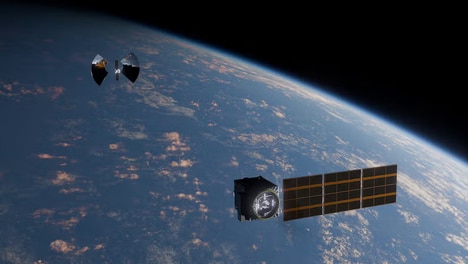

Space mobility networks are emerging as a new layer of infrastructure for the growing space economy. Applied Atomics is developing the Star Reacher Network, a platform designed to support transportation, logistics, and operational movement after assets reach orbit. By combining multimode propulsion systems, AI-enabled mission planning, and orbital logistics capabilities, the network aims to improve how satellites, payloads, and future space infrastructure are positioned and managed across different orbital environments. The company believes this approach can help address long-standing limitations surrounding speed, efficiency, and accessibility in space operations.
The development reflects increasing demand for services that extend beyond launch capabilities as governments and private organizations invest in satellite networks, national security programs, and lunar exploration initiatives. Dedicated mobility infrastructure could create new opportunities for servicing, repositioning, and maintaining orbital assets while improving mission flexibility. As the space economy expands, transportation networks in orbit may become as essential to future operations as logistics systems are on Earth.
Image Credit: Applied Atomics
What's Driving This Trend
- Orbital Logistics Networks
- Dedicated transportation layers in orbit are creating new models for moving, staging, and supporting satellites after launch, expanding the commercial value of space-based infrastructure.
- AI Mission Planning
- Autonomous planning systems can reduce operational complexity across dynamic orbital environments, enabling faster routing, repositioning, and resource allocation for space assets.
- In-space Asset Servicing
- Servicing and maintenance capabilities beyond Earth are reshaping satellite lifecycles by making repair, refueling, and redeployment more practical for governments and commercial operators.
Who This Affects Most
- Space Infrastructure
- Orbital mobility platforms are positioning space infrastructure as a managed network rather than a collection of isolated assets, opening pathways for scalable off-world operations.
- Satellite Communications
- Flexible repositioning services provide satellite operators with new ways to optimize coverage, extend constellation performance, and respond to changing demand across global markets.
- Defense and Security
- National security programs stand to benefit from responsive orbital movement that improves surveillance resilience, asset protection, and mission adaptability in contested space environments.