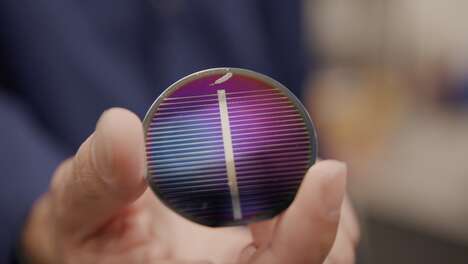
Researchers at RMIT have developed a spreadable solar-powered house paint that can produce an unlimited supply of clean energy.
The substance is comprised of a compound that looks and feels like silica gel but acts as a semiconductor. The paint can collect moisture in the air which in turn, can be split into oxygen and hydrogen, the hydrogen, can then be "captured as a clean fuel source."
As researcher Dr Torben Daeneke from Australia's RMIT says: "Titanium oxide is the white pigment that is already commonly used in wall paint, meaning that the simple addition of the new material can convert a brick wall into energy harvesting and fuel production real estate."
Solar-powered paint essentially makes fuel from the sun and water vapor in the air, providing the consumer with the advantage of a low-cost, energy-efficient and environmentally responsible alternative.
What's Driving This Trend
- Spreadable Solar-powered Paint
- The use of this paint creates an opportunity for industries to develop low-cost energy-efficient products.
- Clean Energy Production Via Solar Paint
- Industries can explore opportunities to leverage this to provide a cheap and clean solution for electricity production.
- Wireless Power Generation
- This innovation could lead to the creation of new industries that cater to the wireless supply of power using this paint technology.
Who This Affects Most
- Construction
- The use of solar-paint technology allows the construction industry to explore options for energy-efficient and environmentally responsible buildings.
- Renewable Energy Production
- The use of this paint presents an opportunity for industries to develop new and innovative ways of producing clean, renewable energy.
- Automotive
- This paint technology can find its way into the automotive industry to power up electric vehicles and create a greener and cleaner transportation system.