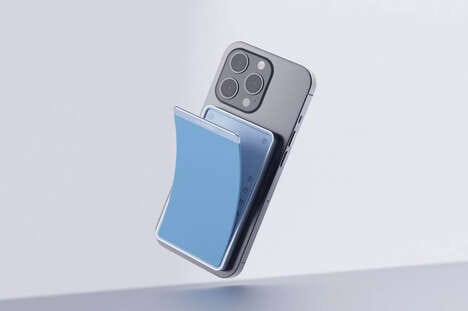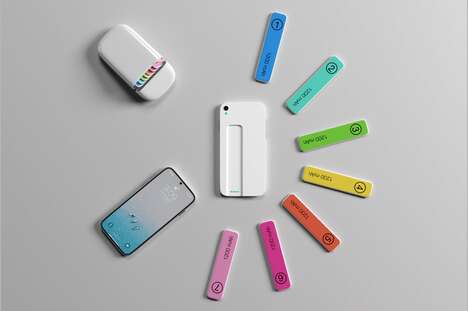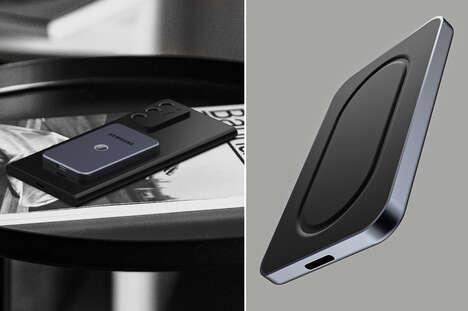

Finding sustainable forms of energy is of paramount importance to both product developers and consumers, and the 'Delta V' smartphone concept is an example of what could be possible one day.
Aside from being able to convert movement into power, the 'Delta V' smartphone concept also features a solar panel for soaking up energy from the sun whenever possible.
Designed by Niki Danai Chania, the 'Delta V' smartphone also features a conductive material panel on the exterior that translates touching the phone into battery power as well. The incorporation of three different kinds of energy absorption makes the 'Delta V' smartphone concept one of the more innovative solutions that could help to satisfy energy demands in the future if the concept is moved into product development.
What Makes This Trend Stand Out
- Kinetic Energy Conversion
- Explore new ways of converting movement into power for electronic devices.
- Solar Energy Integration
- Incorporate solar panels into electronic devices to ensure sustainable energy sources.
- Touch-powered Technology
- Develop conductive material panels that can convert touch into battery power.
Sectors Adopting This
- Consumer Electronics
- The consumer electronics industry can leverage kinetic energy conversion to create more sustainable and self-powering devices.
- Renewable Energy
- Renewable energy industries can explore the integration of solar panels into a wider range of products beyond traditional solar panels.
- Smartphone Manufacturing
- Smartphone manufacturers can adopt touch-powered technology to create innovative devices that are more energy-efficient and self-sufficient.