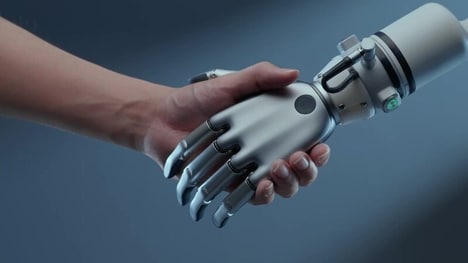
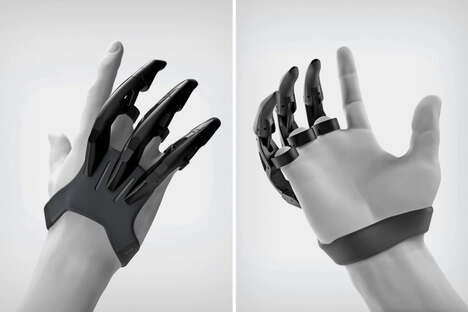
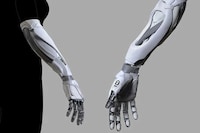
This smart prosthetic limb developed by Newcastle University biomedical engineers makes motion feel more natural. Described as "the first intuitive hand," the artificially intelligent prosthetic hand is capable of responding to its environment and adjust its grip and movement.
Outfitted with a camera, the "hand that sees" was developed to offer more hope to amputees and also serves to make public services more accessible. The bionic hand lets the wearer reach for objects automatically and react to items more fluidly as it can take pictures instantaneously, assess the size and shape of what's in front of it and then trigger motion. The smart prosthetic hand is currently being trialled at Newcastle upon Tyne Hospitals NHS Foundation Trust.
By giving artificial hands artificial vision, this prosthetic is one step closer to a fully bionic hand and demonstrates how technology can benefit healthcare.
What Makes This Trend Stand Out
- Intuitive Prosthetics
- The development of intuitive and responsive prosthetics creates an opportunity for enhanced mobility and flexibility for amputees.
- Artificial Intelligence in Medical Devices
- Integrating artificial intelligence into medical devices allows for more advanced and efficient healthcare services.
- Smart Assistive Technology
- The rise of smart assistive technology helps improve accessibility and quality of life for individuals with physical impairments.
Sectors Adopting This
- Healthcare
- The healthcare industry can benefit from the development and implementation of advanced and intelligent prosthetic limbs.
- Medical Device Manufacturing
- Manufacturers of medical devices can leverage artificial intelligence and intuitive technology to create innovative and competitive products.
- Assistive Technology
- The assistive technology industry can expand its offerings by incorporating more advanced technologies, such as smart prosthetics with artificial intelligence and intuitive features.