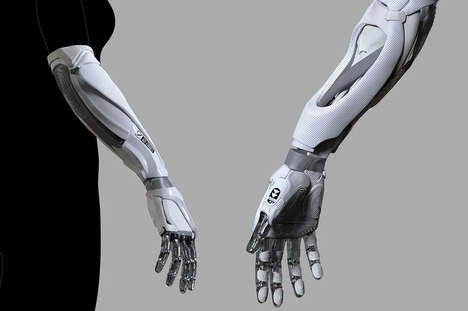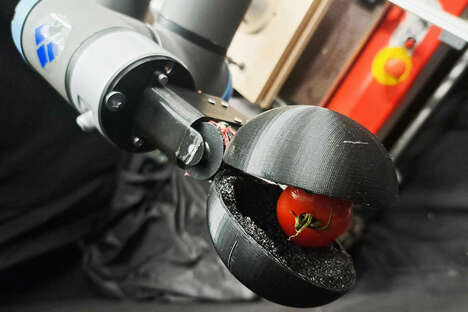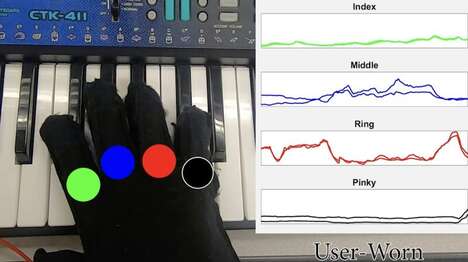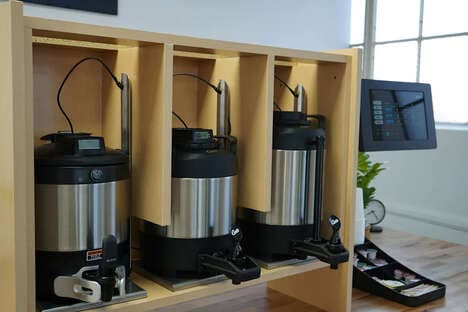
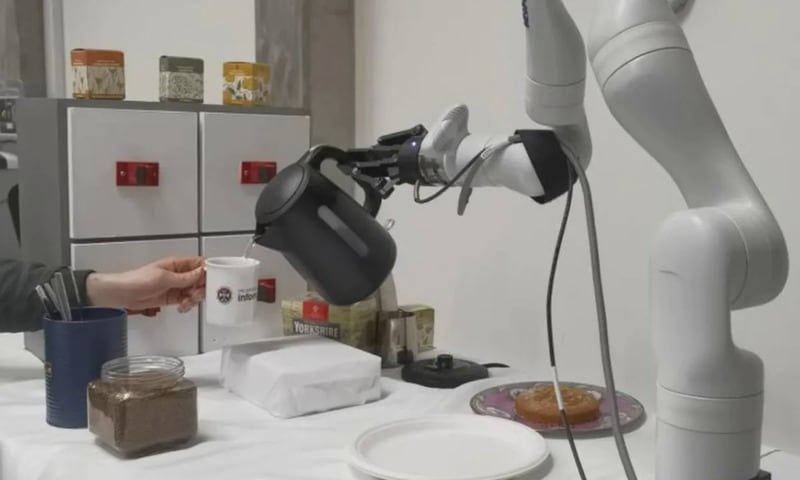
Robotics researchers at the University of Edinburgh have designed a robot arm powered by AI to serve people coffee and carry out other tasks. By integrating advanced artificial intelligence—specifically GPT-4—and highly sensitive motor skills, the researchers have enhanced the functionality of the Kinova Gen3, a robotic arm featuring seven movable joints.
Designed to operate in controlled environments like kitchens, the robot can navigate objects and obstacles in real-time, ensuring seamless interaction with its surroundings and preventing spills or accidents. The integration of GPT-4, alongside open-source AI frameworks such as Haystack and Vebra, enables the robotic arm to execute complex reasoning and adapt dynamically to tasks, allowing consumers to experience the unique possibilities of artificial intelligence in a new way.
Image Credit: University of Edinburgh
Key Themes Behind This Trend
- AI-driven Robotics
- The fusion of GPT-4 with robotic hardware opens new avenues for machines capable of complex reasoning and dynamic task adaptation.
- Real-time Obstacle Navigation
- Advancements in sensor technology and AI allow robots to interact seamlessly in complex environments, minimizing accidents and improving efficiency.
- Open-source AI Frameworks
- The integration of open-source tools like Haystack and Vebra facilitates enhanced customization and rapid innovation in robotic applications.
Where This Applies
- Healthcare Robotics
- AI-powered robotic arms present opportunities in surgical assistance and routine patient care through precise and adaptable task execution.
- Hospitality Automation
- In the hospitality sector, AI-driven robots can revolutionize service delivery, such as automated food and beverage service in restaurants and hotels.
- Smart Home Technology
- Enhanced robotic arms equipped with advanced AI can transform household tasks, leading to more intelligent and efficient smart home environments.