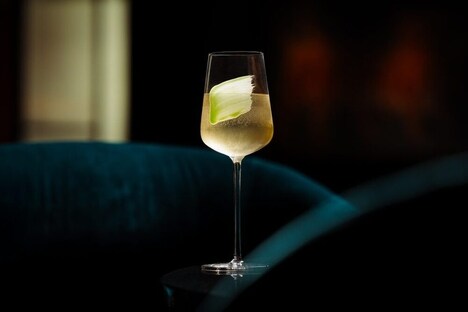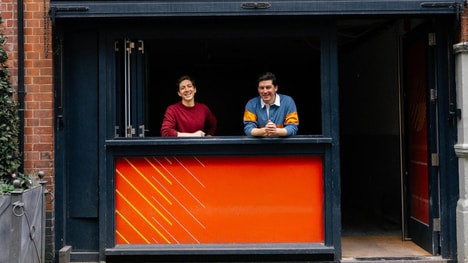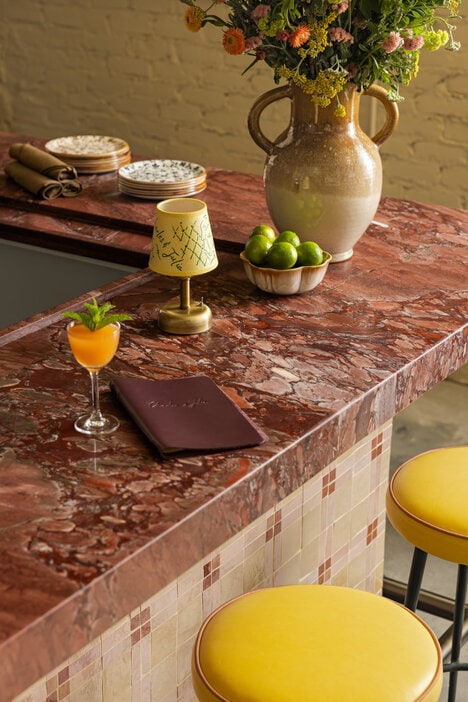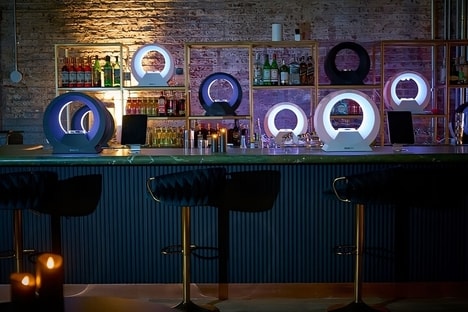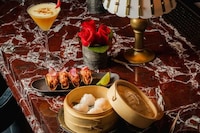
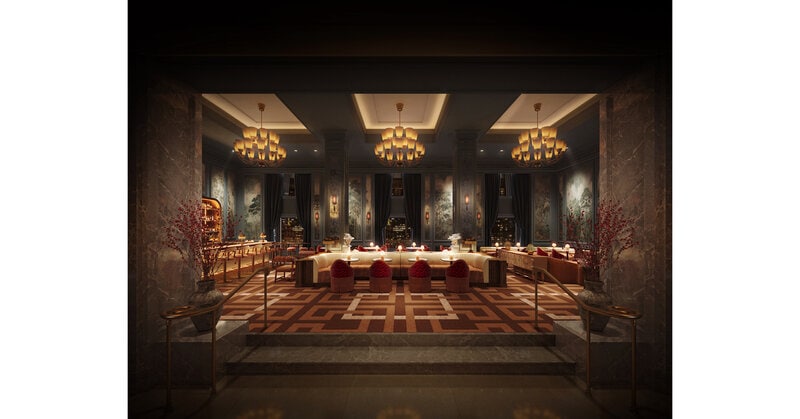
Bruma is a signature cocktail salon from The Ritz-Carlton, San Francisco, opening Oct. 12, 2026, atop Nob Hill. Named for the Spanish word for “mist,” the space centers on a staged beverage program inspired by the city’s fog, Pacific location and residential character. The lounge occupies part of the hotel’s landmark 1909 Neoclassical building and is presented as a polished residential parlor.
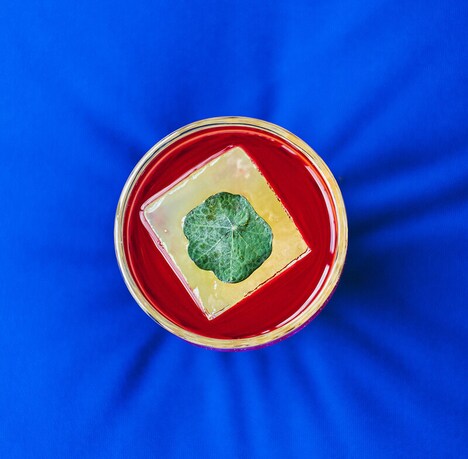
Design studio Fettle led the interiors, layering parlor opulence with local references including a custom mural, églomisé back-bar mirror and the hotel’s original fireplace. The bar program moves through four passages — World’s Edge, Open Water, Golden City and High Ground — with a tableside liquid nitrogen Martini and a Nob Hill Pisco Punch finished with pineapple brûlée. Food includes modern California lounge fare developed with Lowder-Tascarella Hospitality, alongside rare spirits and spirit-free pours.
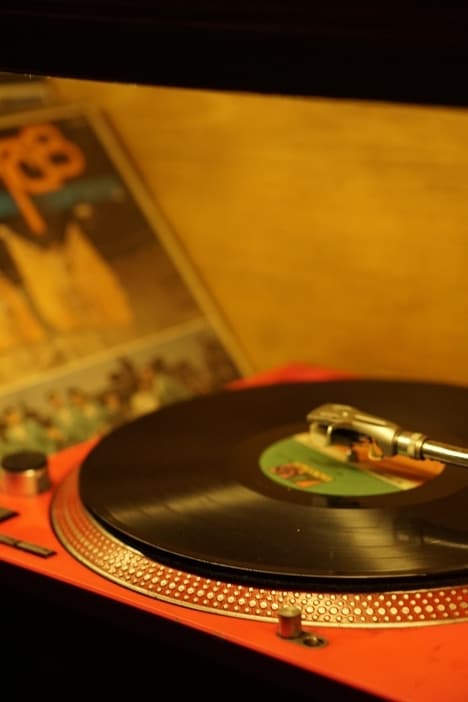
Seating 80 guests, Bruma shifts by hour from afternoon tea to late-night conversation, with recurring programming including Golden Hour Aperitivo and weekend live music. Hours and reservation details will be announced closer to opening, positioning the lounge as a staged social destination for guests and locals seeking crafted cocktails and shared plates.
Image Credit: THE RITZ-CARLTON, SAN FRANCISCO
Key Themes Behind This Trend
- Narrative Cocktail Programs
- Immersive drink menus organized around local geography, history and sensory cues create differentiated hospitality experiences where beverages function as storytelling platforms.
- Residential Luxury Lounges
- Hotel bars styled as polished parlors blur private-home comfort with premium social spaces, opening room for more intimate and locally resonant luxury formats.
- All-day Social Venues
- Spaces that transition from afternoon tea to aperitivo and late-night music reflect demand for flexible destinations that capture multiple dayparts and guest occasions.
Where This Applies
- Luxury Hospitality
- High-end hotels are using signature lounges to strengthen local relevance, extend guest engagement and compete as standalone lifestyle destinations.
- Cocktail and Spirits
- Tableside techniques, rare spirits and spirit-free options expand the bar category into theatrical, collectible and inclusive beverage experiences.
- Interior Design
- Layered heritage interiors with custom artwork and site-specific references position design firms to shape hospitality venues as culturally anchored brand assets.