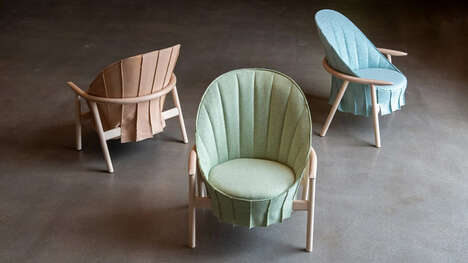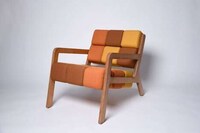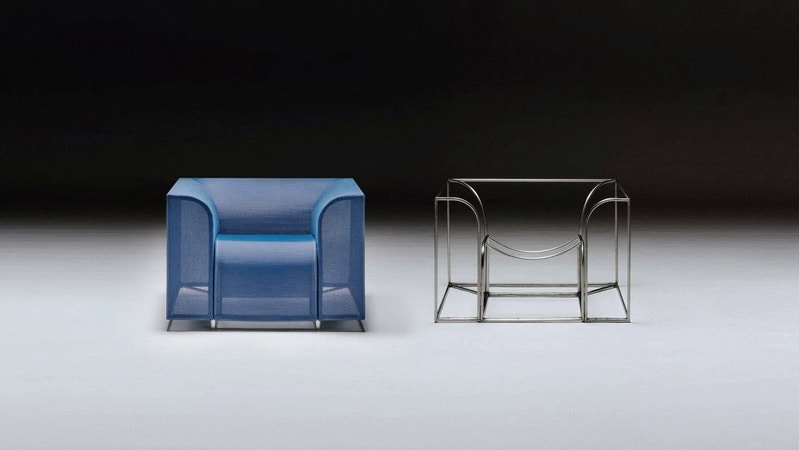
Danish furniture imprint +Halle taps designer Boris Berlin to create the Shrinx Lounge Chair. It is highlighted by the use of heat-shrunk textile instead of traditional foam when it comes to its upholstery. The lounge chair is framed with metal materials and the model is meant to be both a 'protest and venture' into a new space, according to the brand.
Instead of being stretched around the framing, it is draped over and then shrunk. +Halle CEO Martin Halle speaks about the design, "We have seen woven fabrics as a sustainable alternative to foam in the office chair category before, where you typically stretch a small back and seat area. However, bringing this technology to something as large as an easy chair changes the game."
Image Credit: +Halle
What's Driving This Trend
- Sustainable Upholstery Materials
- Innovations in upholstery, such as the use of heat-shrunk textiles, offer a sustainable alternative to traditional foam materials, revolutionizing furniture design.
- Non-traditional Textile Applications
- The application of heat-shrunk textiles in large-scale furniture pieces like lounge chairs disrupts conventional upholstery methods.
- Eco-friendly Furniture Innovations
- The shift to materials like heat-shrunk textiles paves the way for eco-conscious furniture designs that challenge the dominance of synthetic foams.
Who This Affects Most
- Furniture Design
- The introduction of new materials like heat-shrunk textiles into lounge chair upholstery highlights a growing trend towards innovative design and sustainability in the furniture industry.
- Textile Manufacturing
- Advancements in textile technologies that enable applications like heat-shrinking are transforming traditional manufacturing processes in the textile industry.
- Interior Design
- The use of sustainable materials such as heat-shrunk textiles in large furniture pieces is driving eco-friendly trends within the interior design industry.