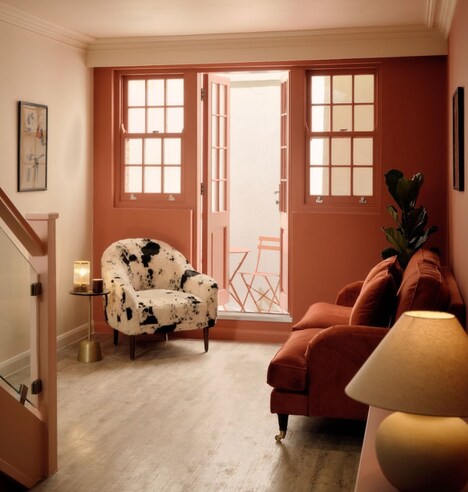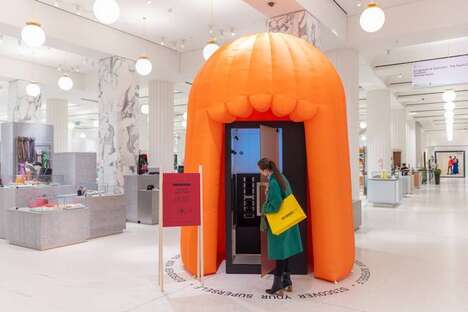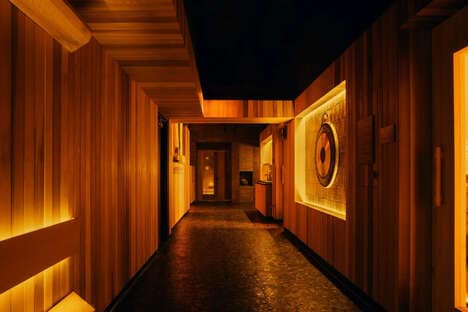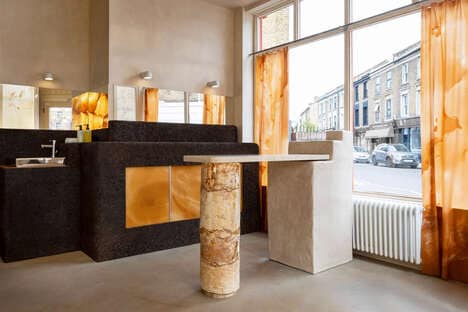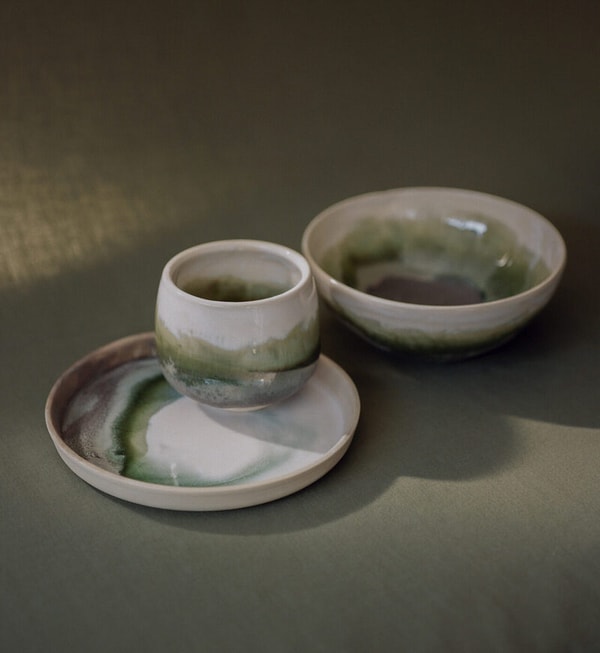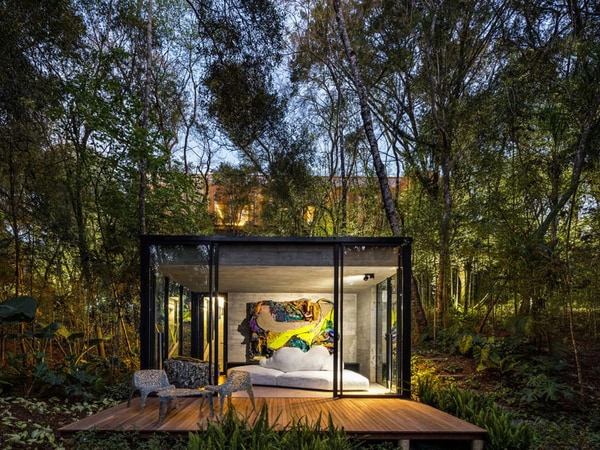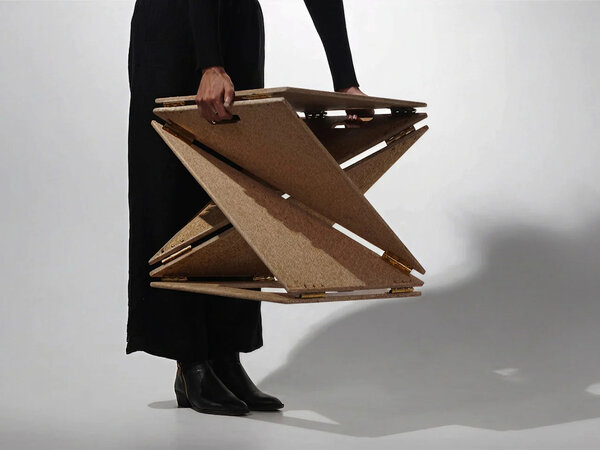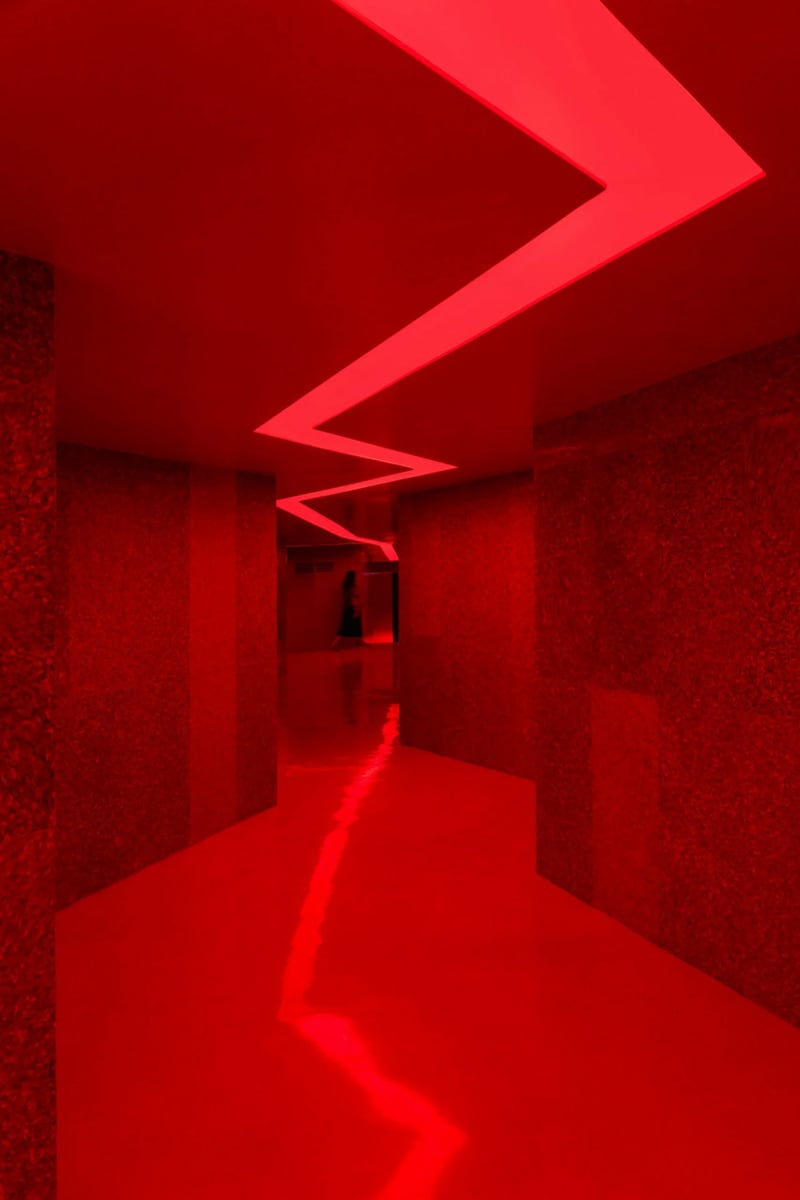
Multidisciplinary design firm Space Available has created the Self Care Community Center located in Jakarta, Indonesia. It is comprised of a conversation put that has recycling machines and furniture that are made from ocean plastic. The founder of the firm, Daniel Mitchell, set this up with his wife, who is originally from Jakarta. The team worked with cultural agency A3000 to develop a shift for the building and community.
Mitchell, who worked together with designer Andika Wahyu and Jakarta-based architects Sidarta and Sandaja speak more about the project, explaining that "The Self Care Community Centre isn't just about selling products. It's about creating an ecosystem of cultural wellbeing in service of community, where people can engage in rituals of individual and collective wellbeing."
Image Credit: Ernest Theofilus
What Makes This Trend Stand Out
- Eco-community Wellness Spaces
- Promoting collective wellbeing through eco-friendly spaces presents a novel approach to integrating sustainability with community health.
- Ocean Plastic Upcycling
- Transforming ocean plastic into functional furniture introduces a sustainable solution to address plastic waste while furnishing public spaces.
- Cultural Wellbeing Ecosystems
- Developing centers focused on cultural and collective wellbeing highlights a shift towards holistic self-care practices that go beyond product consumption.
Sectors Adopting This
- Sustainable Architecture
- Integrating recycling technology within community architecture fosters innovation in eco-friendly building practices.
- Wellness and Self-care
- Creating spaces dedicated to both personal and community wellness expands the traditional boundaries of the self-care industry.
- Recycling and Waste Management
- Utilizing ocean plastic in construction and design offers new market opportunities for innovative recycling methods.